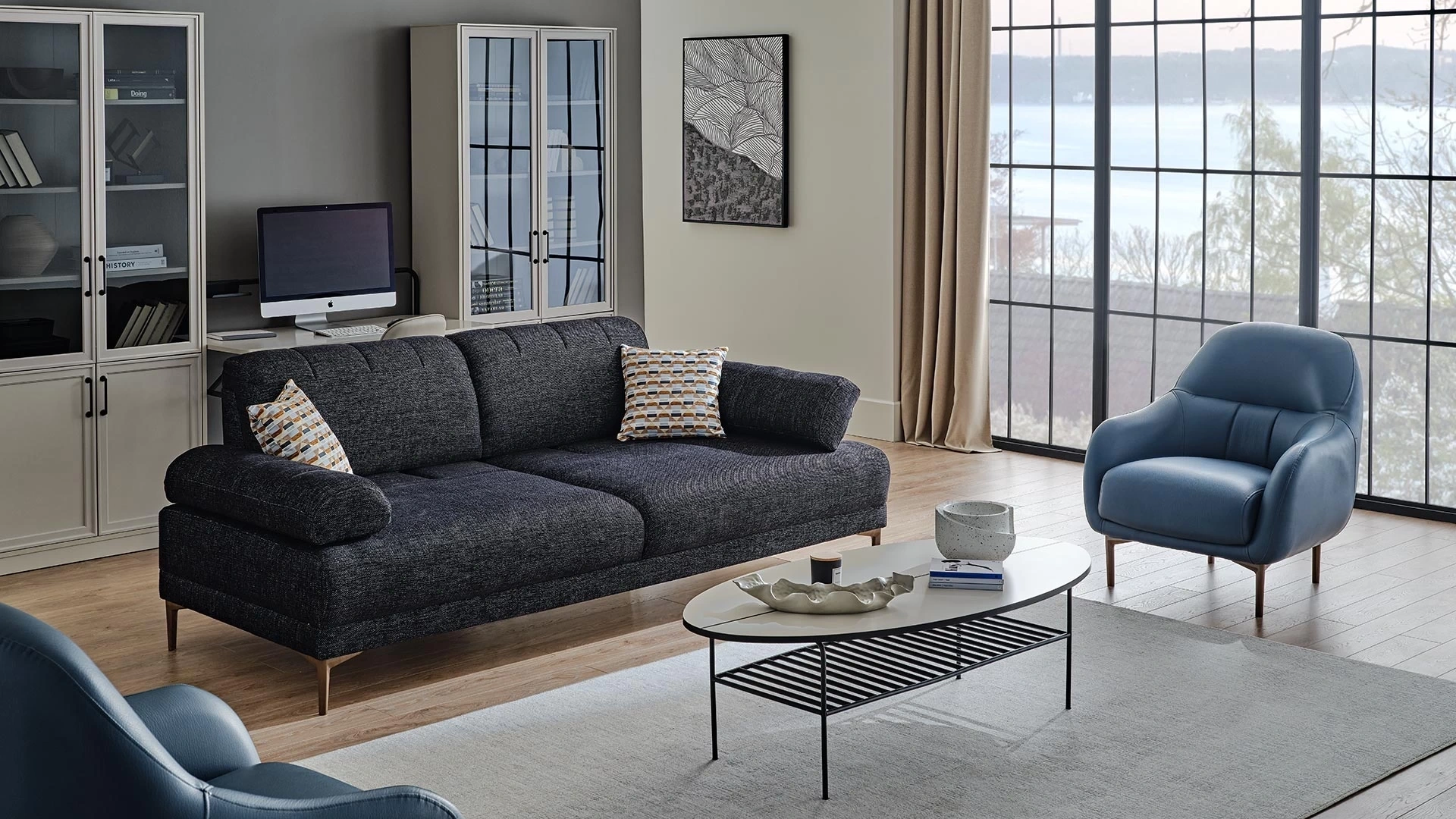
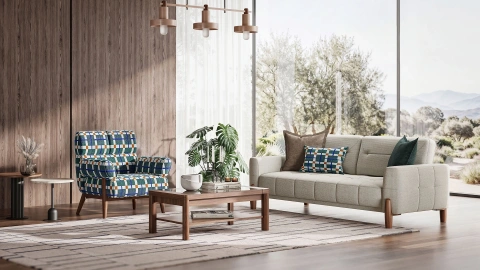
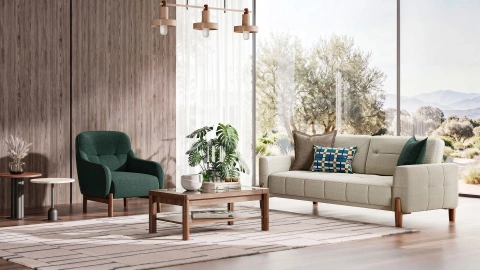
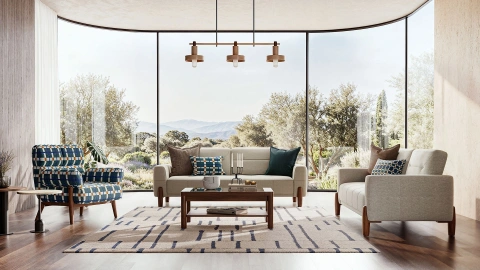
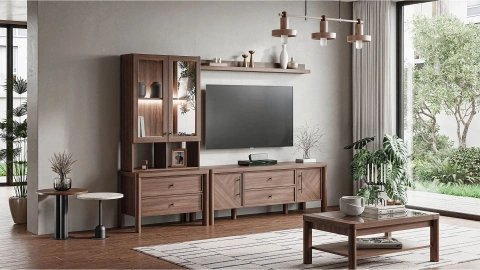
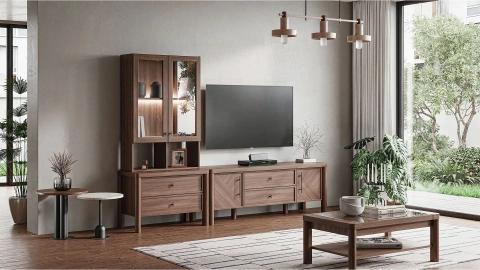
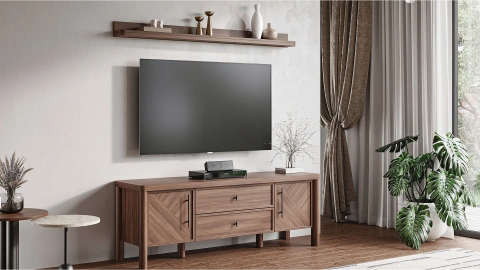
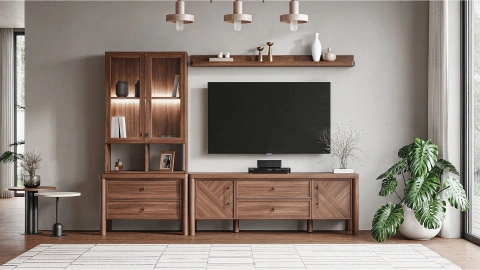
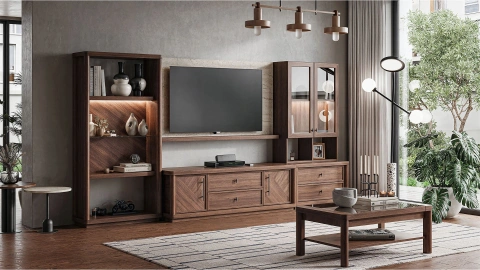
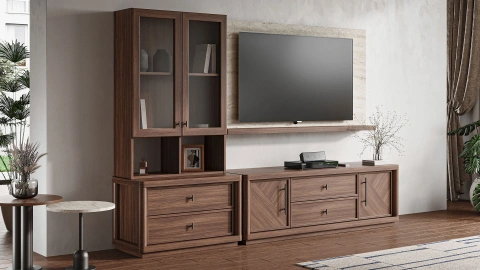
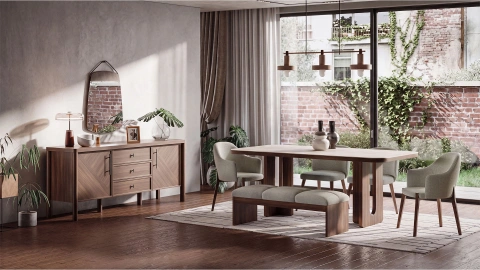
The living room is one of the most important living spaces that reflect the character of the house. Choosing a sofa set in this area, where we relieve the fatigue of the day, host guests, and spend most of our time, is of great importance both aesthetically and functionally. However, the most critical factor often overlooked when choosing a sofa is the size of the living room.
The living room is one of the most important living spaces that reflect the character of the house. The selection of a sofa set in this area, where we relax at the end of the day, host guests, and spend the most time, holds great significance both aesthetically and functionally. However, the most critical factor often overlooked when choosing a sofa is the size of the living room.
The square meters of the living room have a decisive impact on the model, placement, and even color of the sofa. Placing a large sofa in a small area creates a cramped look, while small sofas in a large living room can make the space appear empty and disproportionate. Therefore, choosing according to the measurements is a fundamental requirement for both comfort and visual balance.
Below, you can find step-by-step guidance on what to pay attention to when selecting a sofa set according to the square meters of the living room. With different solution suggestions for small, medium, or large living rooms, you can make the most efficient use of your home's space.
How should sofa selection be for small living rooms?
In small living rooms, efficient use of space is a priority. Therefore, compact sofa models that do not take up much space should be preferred.
Corner sofas create a sense of spaciousness in narrow living rooms as they utilize corner areas. Additionally, high-legged sofas make the floor appear more visible, helping the room to be perceived as larger.
Color selection also makes a big difference in small living rooms. Light tones (such as beige, gray, and pastel blue) reflect light better and create a spacious atmosphere. It is essential to avoid dark colors as they can make the space seem narrower. Opting for slightly shiny textures instead of matte for sofa fabrics can make the area feel brighter with light reflections.
Functionality is everything in small living rooms. Sofas with beds or storage areas offer both comfort and practicality. Using
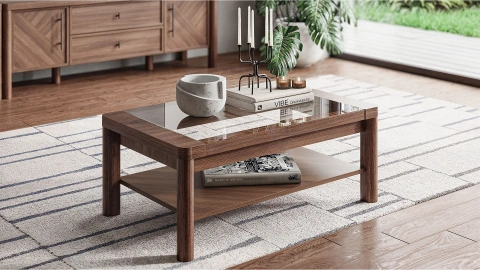
coffee tables instead of
side tables or wheeled tables increases the maneuverability of the space. Additionally, wall-mounted shelves and simple accessories enhance the sense of spaciousness by maintaining order in small areas.
How to establish balance in medium-sized living rooms?
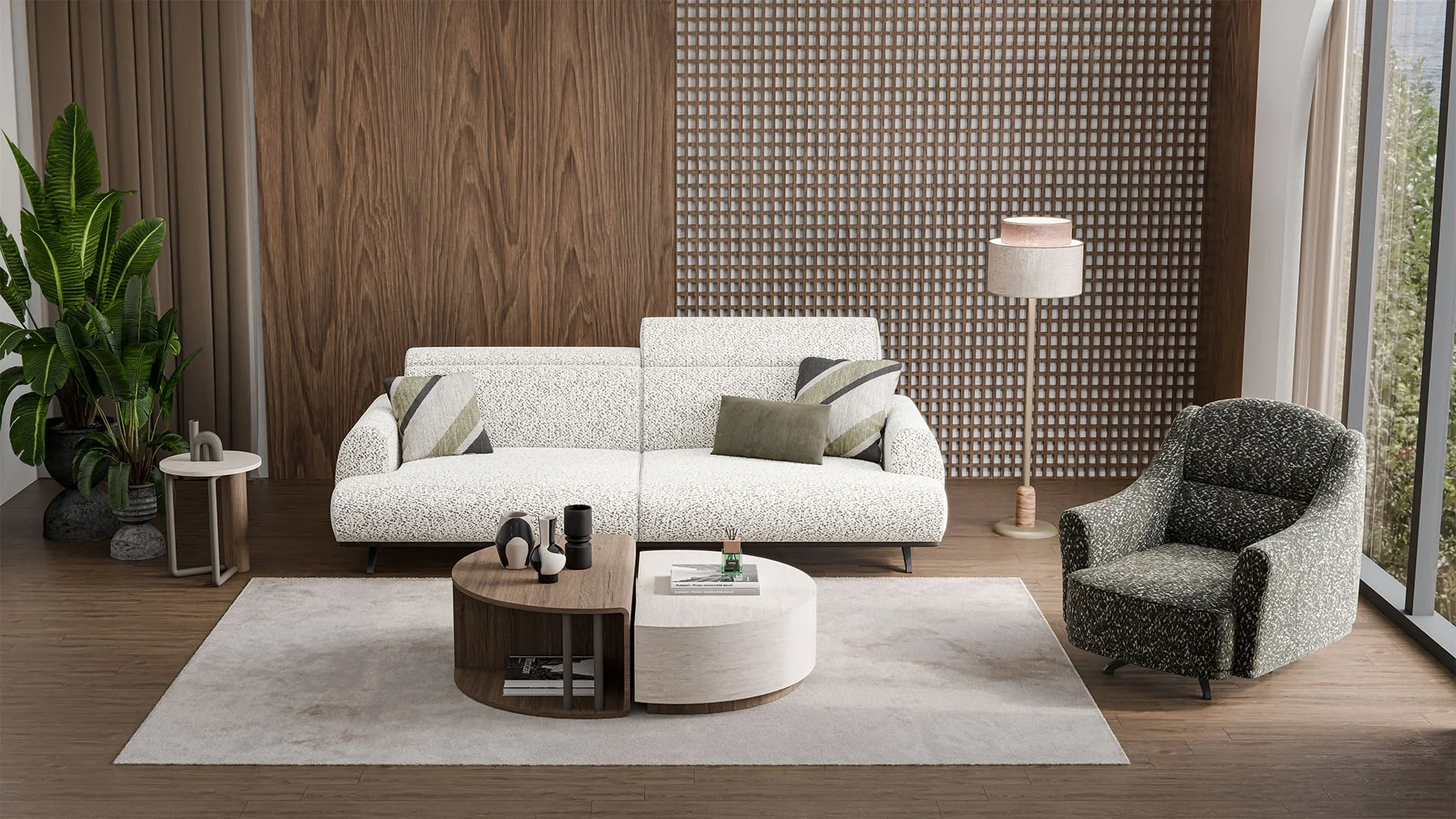
Medium-sized living rooms provide the ideal space for creating both comfortable and aesthetically pleasing decor. In living rooms of this size, a balanced seating arrangement can be set up with
2-seater or
3-seater sofas along with complementary pieces like armchairs and poufs. Using a large rug in the center of the space ties the decor together.
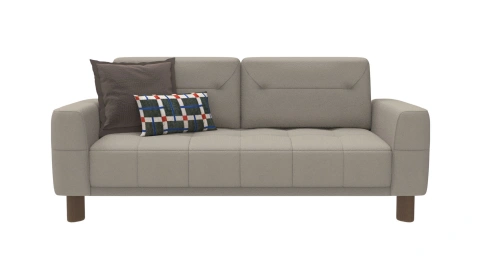
Balance is essential in the choice of color and textures. You can balance the energy of the room by using light and dark tones together. For example, combining a light gray sofa set with navy blue cushions and wooden-detailed furniture creates a warm and modern look. Such contrasts bring vibrancy to medium-sized living rooms.
Lighting elements play a critical role in the balance of the space. Using floor lamps or wall sconces instead of ceiling chandeliers makes the space more inviting. A small plant or painting placed in a corner of the living room adds a natural touch to the space. This way, your living room achieves a look that is both cozy and stylish.
How should a sofa set be placed in large living rooms?
Large living rooms offer many possibilities for decoration, but wrong placement can make these spaces appear cold and cluttered. Therefore, the placement of the sofa set should be carefully planned. Positioning the sofas towards the middle of the room allows the space to be utilized more evenly.
Creating different seating areas in big living rooms is a good strategy. For example, you can organize one section for watching TV and another as a conversation nook. Modular sofa systems help easily separate these kinds of areas. A large rug also unites the space, providing visual continuity.
Color selection can be more liberal, but very dark tones should be avoided. Dark furniture can create too much weight in a large area. Instead, you can make the living room more inviting by balancing neutral tones with warm-colored accessories. Maximizing the use of natural light in living rooms with large windows also enhances the sense of spaciousness.
How to determine sofa dimensions according to living room size?
When determining sofa dimensions, not only the overall size of the living room but also the doors, windows, and passageways should be considered. It should be measured whether the sofa will pass through the door before placement. Additionally, leaving at least 60 cm of space between sofas provides ease of movement and visual order.
In small living rooms, the total sofa length should range from 250 to 300 cm. For medium-sized living rooms, 350 to 400 cm is ideal. In large living rooms, sofa combinations of 450 cm and above can be used. These measurements allow for both aesthetic and functional use of the space.
When determining measurements, the height of the sofa should also not be ignored. Very high sofas can create a sense of pressure in small rooms, while low sofas provide a more modern look in large areas. Therefore, choosing sofas in sizes compatible with the proportions of the space maintains spaciousness and balance.
How do color and model selection affect the width of the living room?
Colors are elements that directly affect the perception of space. In small living rooms, light tones (beige, cream, pastel gray) create spaciousness, while darker colors bring a sense of warmth in large living rooms. However, it is essential to choose the colors in harmony with the wall, rug, and curtain tones. This results in a living room that looks both balanced and aesthetic.
Model selection is as important as color. In small spaces, straight-lined, minimal sofa models offer a spacious atmosphere, while in large living rooms, large cushioned, luxurious models can be used. Fabric types like velvet, suede, or linen add textural richness, enhancing the character of the space.
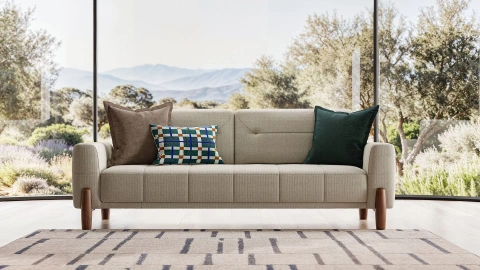
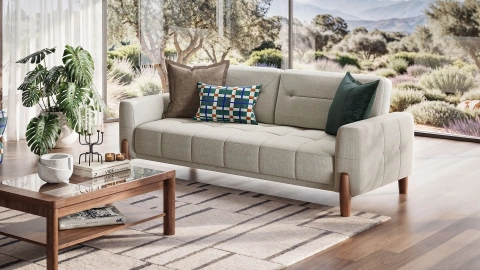
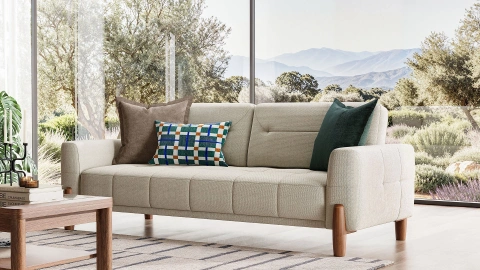
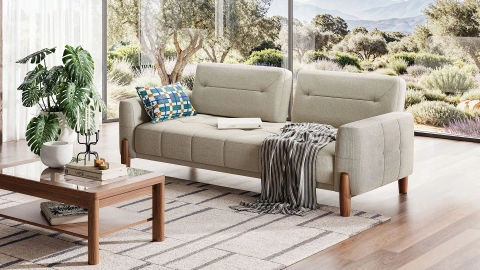
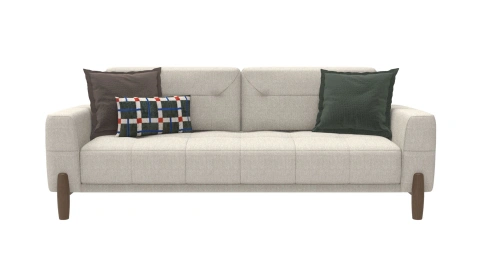
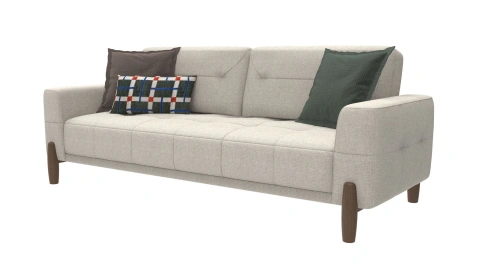
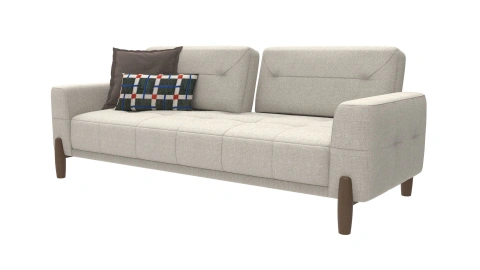
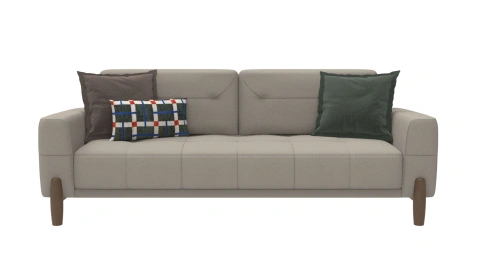
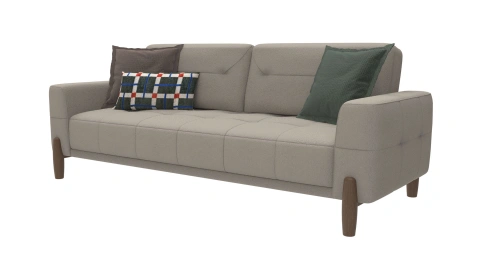
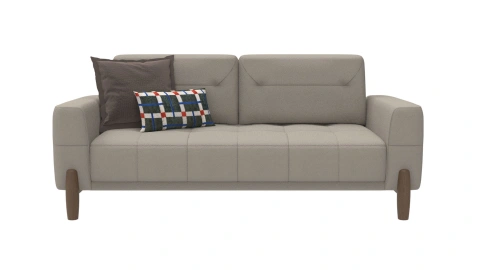
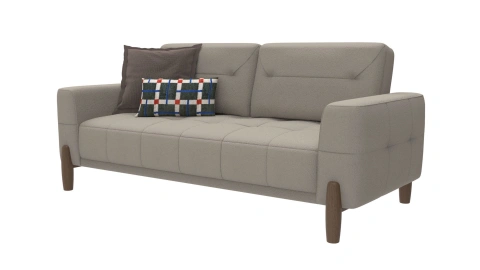
Details that complement the harmony of color and model elevate the decoration to a higher level. For instance, combining a light-colored sofa set with dark wooden legs creates an elegant contrast. Similarly, using different tones in pillow and rug colors can achieve a dynamic look.
How to create a spacious and balanced area in your living room?
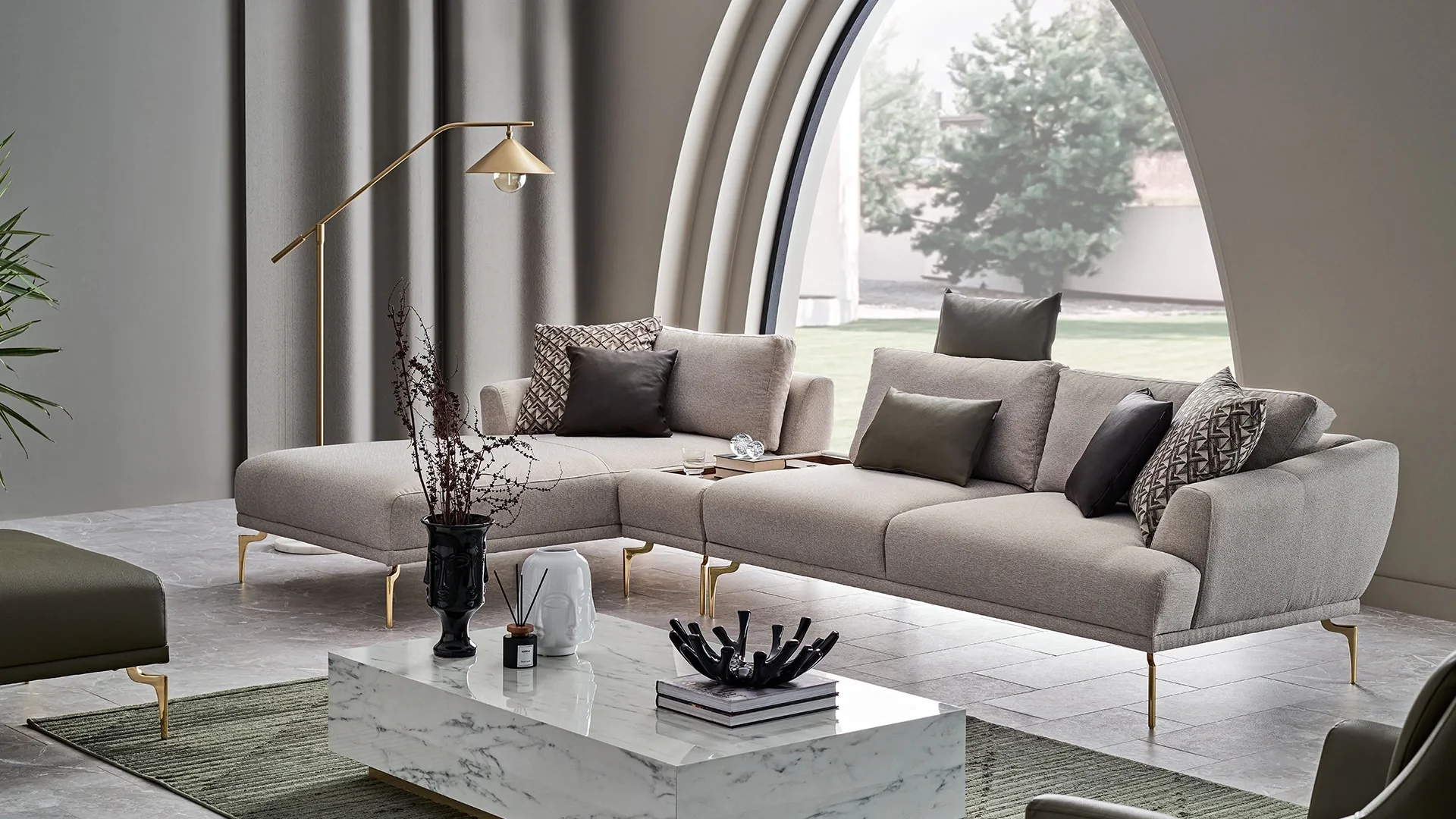
Regardless of the square meters of the living room, a sense of spaciousness is achieved with the right placement. Positioning the sofas so as not to block the window ensures that daylight is distributed evenly across the room. Moreover, leaving space between the sofa and the wall adds visual and functional comfort.
Using too many items in the decoration can make the living room appear cluttered. Instead, a few impactful pieces should be selected. For example, simple paintings on the walls, a medium-sized rug on the floor, and a few decorative objects keep the living room balanced. This approach offers both a minimal and elegant look.
Lastly, plants and natural light can completely change the atmosphere of the living room. Live plants add energy to the space, and light-toned curtains soften the light to create a warm atmosphere. This way, your living room transforms into not only a stylish but also a peaceful living area.
What are the basic rules to consider in sofa placement?
Sofa placement directly affects the general appearance and ease of use of the living room. Therefore, planning should be done not only according to size but also based on the purpose of the space. For instance, if you are aiming for a TV-focused layout, the sofas need to be positioned correctly with the screen. In conversation-focused areas, sofas should be placed facing each other to facilitate communication.
The distance between the sofa and the coffee table should generally be 40–50 cm. This distance provides comfortable movement space and makes the use of the coffee table easy. It is also recommended that sofas are not placed completely against the wall, leaving several centimeters of space at the back. This method facilitates ventilation and gives a sense of depth to the room.
Sofa placement can vary according to the form of the room. In rectangular living rooms, L or U layout plans can balance the space, while symmetrical arrangements look more harmonious in square living rooms. In any case, care should be taken to ensure that the sofa placement does not make the room appear smaller or imbalanced than it is.
What are the details that complete the sofa set in living room decoration?
While the sofa set is central in the living room, it does not complete the decoration on its own. The elements that determine the character of the space include pillows, rugs, curtains, lighting, and decorative objects. The right selection of these elements changes the general ambiance of the living room, providing both elegance and harmony. Here are the complementary details that will highlight your sofa set:
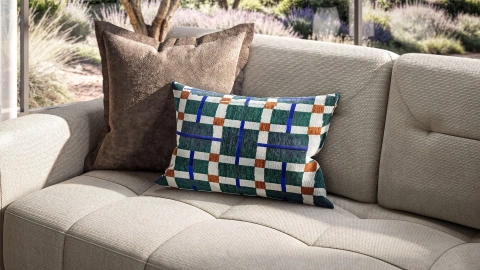
- Decorative pillows: It is one of the easiest ways to enliven the sofa set. Pillows that create color contrast or have patterns add movement and character to a simple sofa. Changing pillow covers according to the seasons allows you to refresh the ambiance with small touches.
- Rug selection:Rugs serve as a unifying element in the center of the living room. Choosing a rug close to or contrasting with the color tone of the sofa set balances the space. In small living rooms, light-colored rugs create spaciousness, while dark tones bring warmth in large areas.
- Curtains: In curtain selection, both color harmony and fabric texture are important. Thick textured curtains create a classic atmosphere, while light fabrics like tulle or linen offer a more modern and airy look. Additionally, having curtains in the same tones as the sofa gives a sense of unity in the decoration.
- Lighting elements:Lighting can completely transform the atmosphere of the living room. In large living rooms, using chandeliers hanging from the ceiling along with floor or table lamps creates a layered light arrangement. In small living rooms, wall sconces or LED spotlights save space and create a modern look.
- Plants and paintings: Live plants bring naturalness and freshness to the space. Different shades of green create a contrast, especially noticeable with light-colored sofa sets. Modern line paintings or simplistic framed art prints reflect the style of the living room.
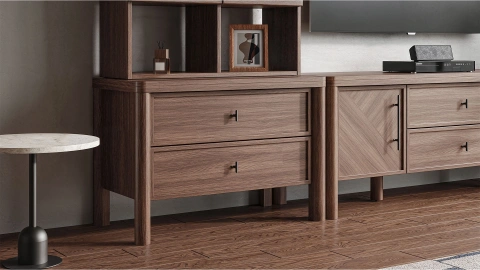
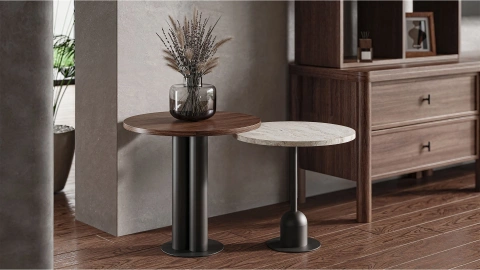
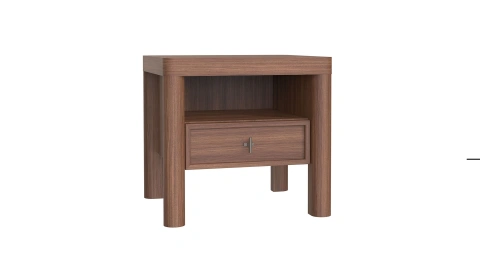
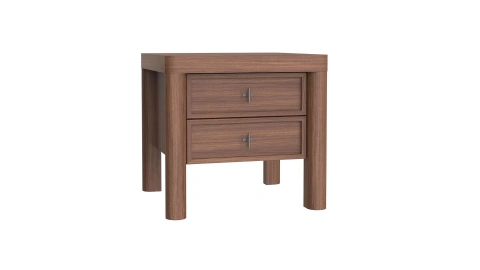
- Small complementary furniture: Side tables, poufs, or decorative shelves enrich the usage of the living room. When wooden or metal-detailed pieces are chosen according to the style of the sofa set, they add balance to the space. Avoiding too much furniture makes the living room appear more organized.
These details not only complete the sofa set but also reflect the overall style and spirit of the living room. A balanced decoration where every element supports each other transforms your living space into an environment that is both aesthetic and peaceful.