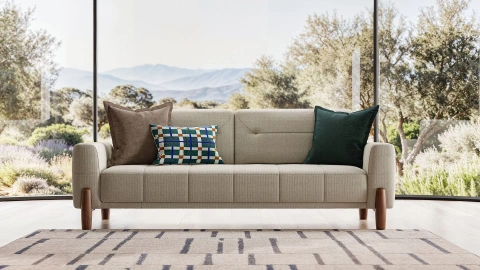
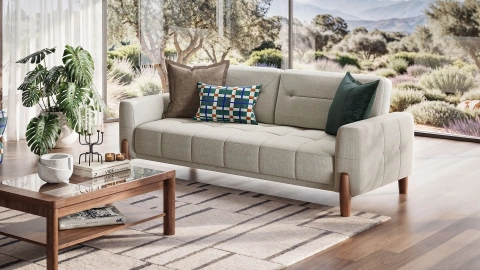
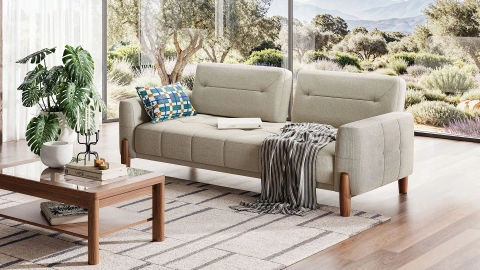
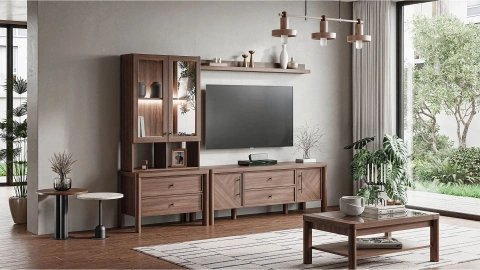
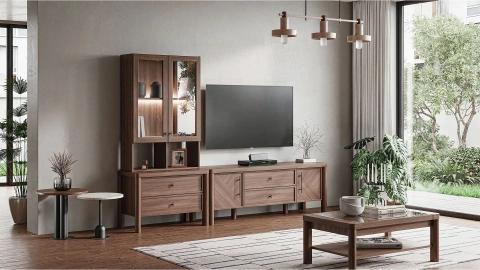
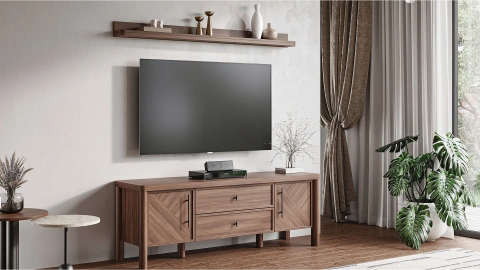
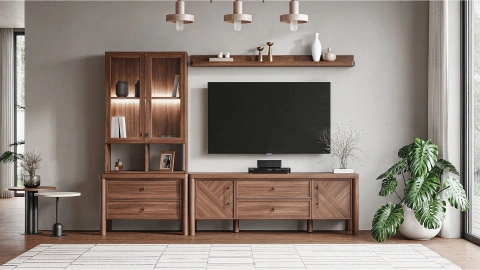
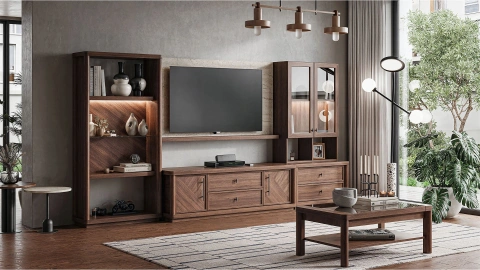
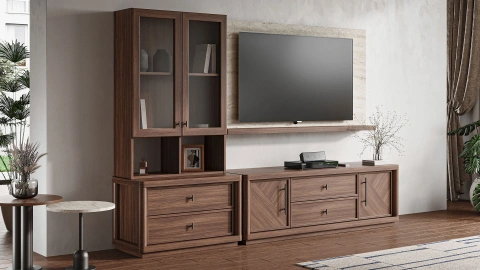
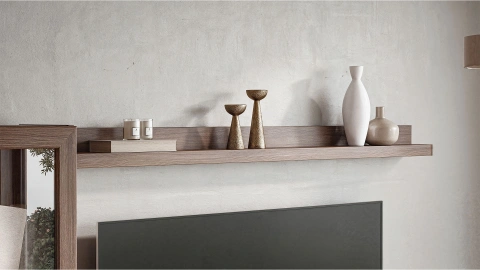
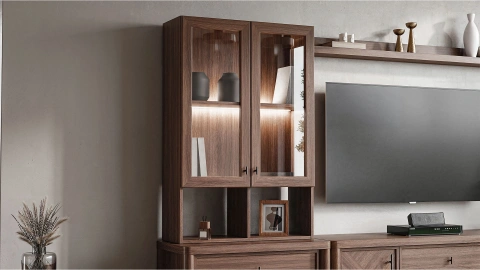
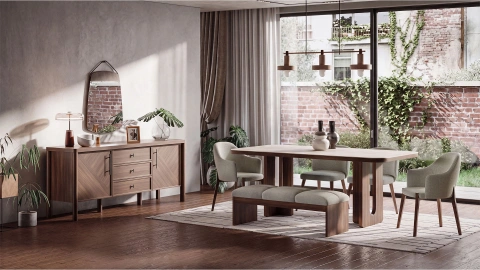
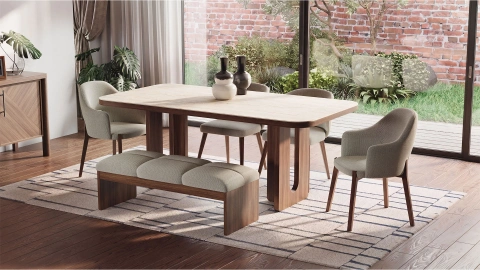
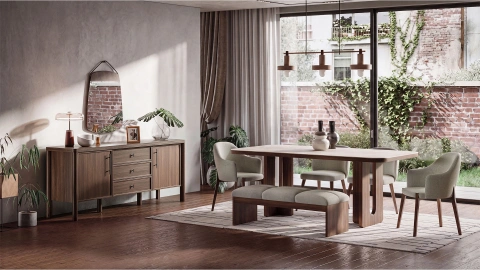
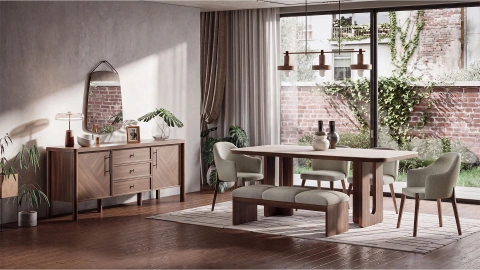
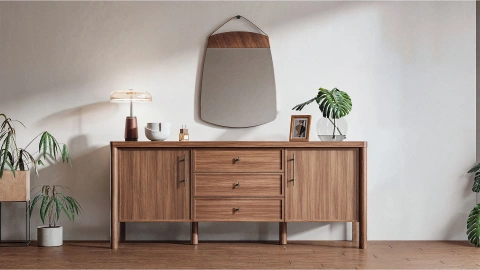
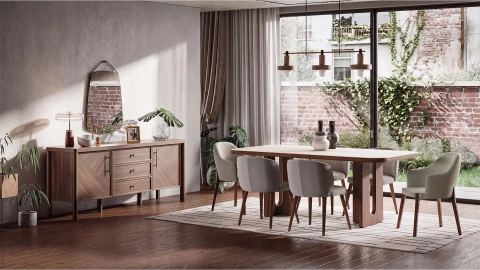
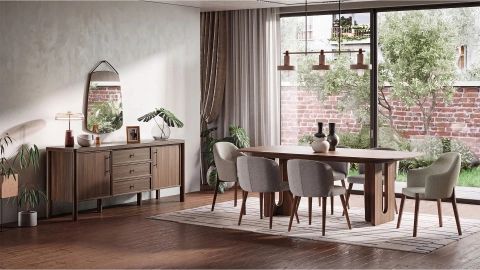
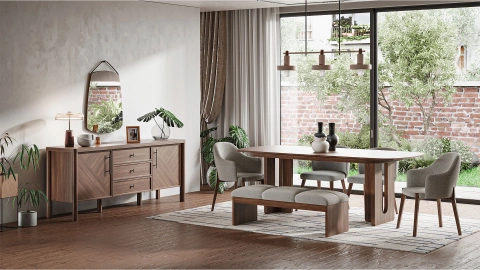
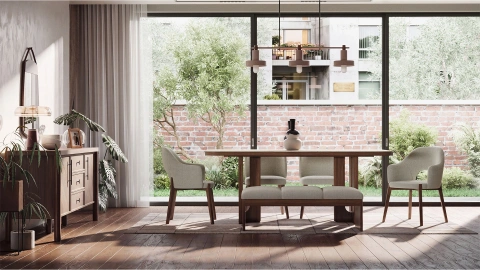
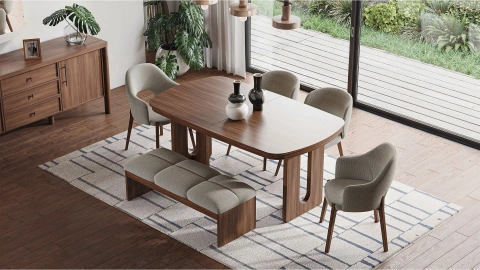
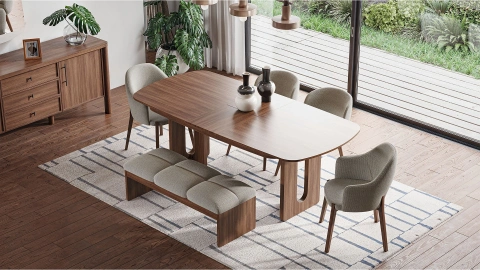
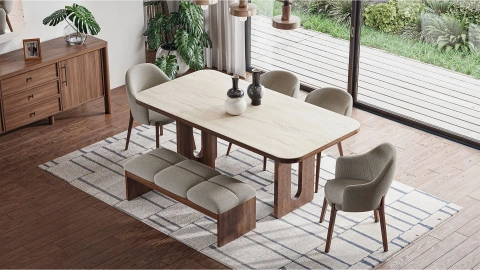
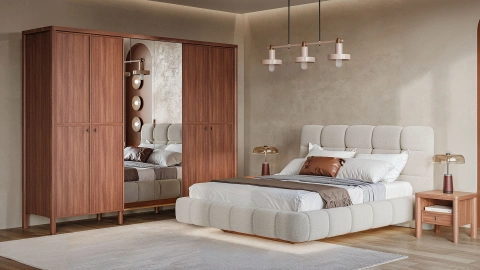
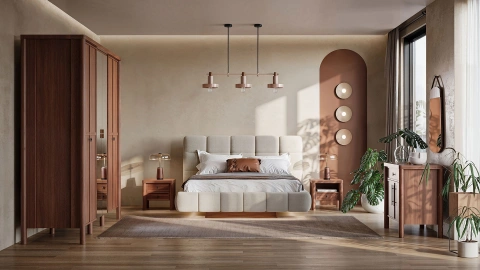
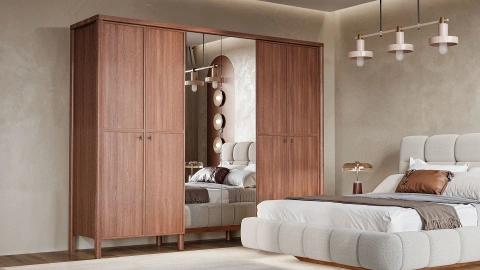
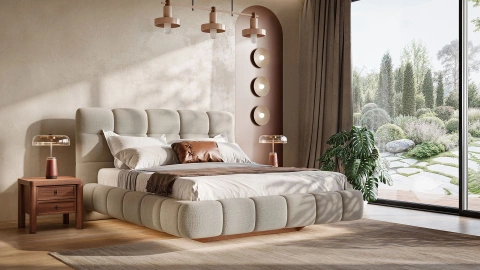
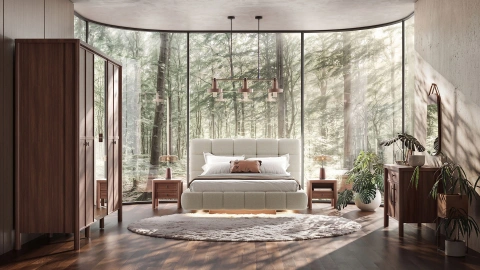
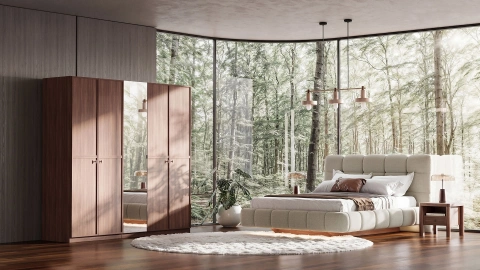
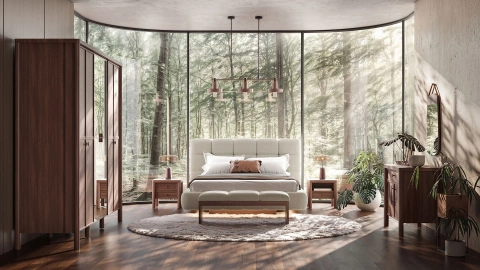
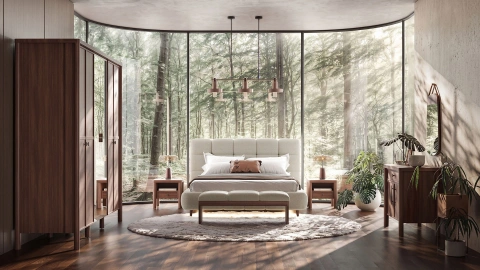
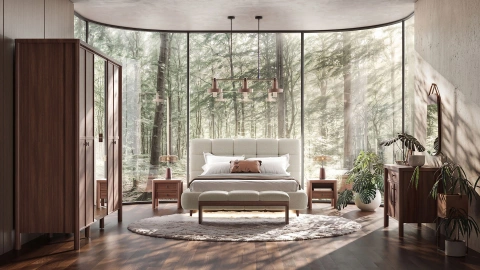
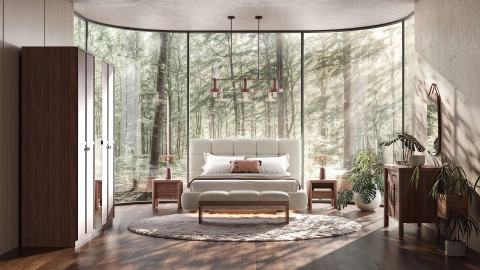
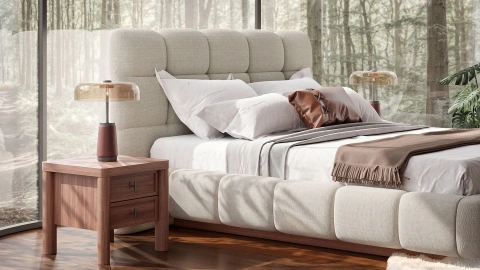
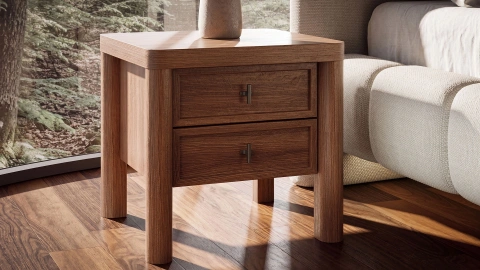
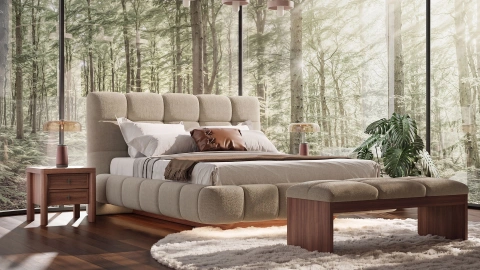
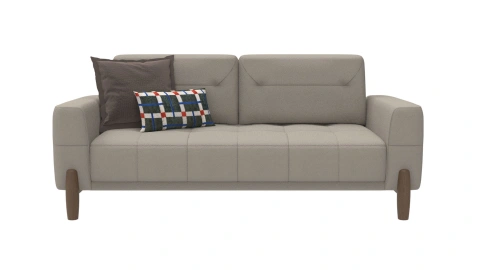
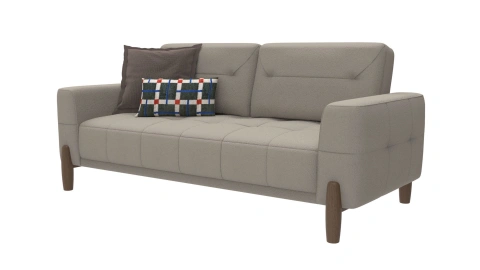
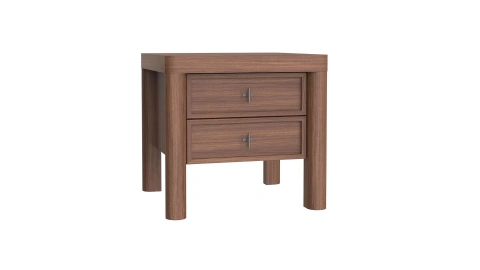
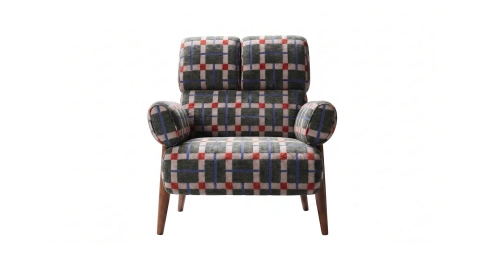
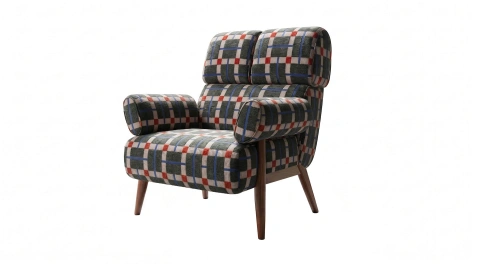
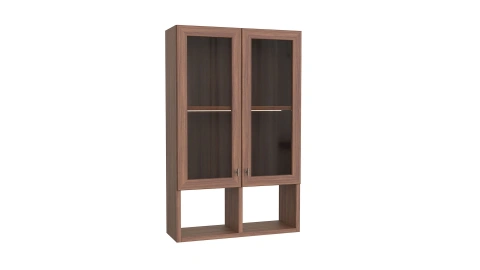
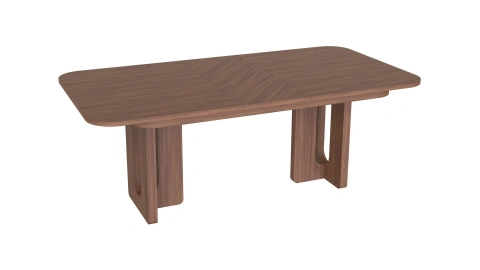
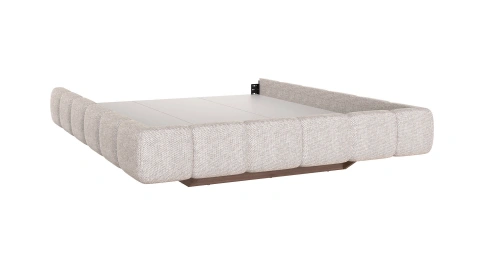
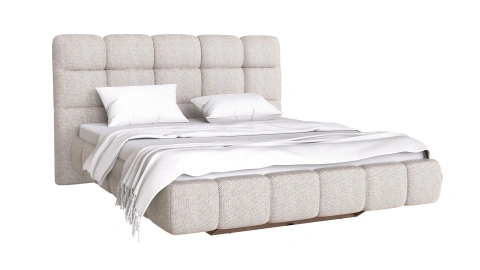
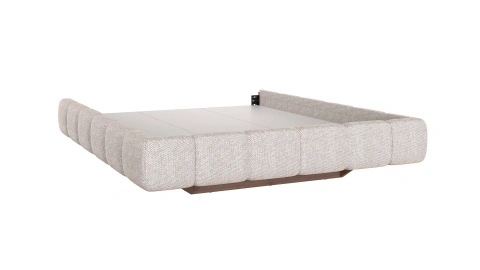
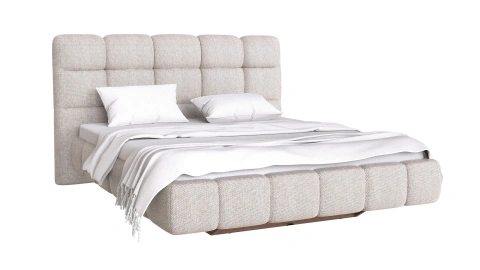
Art Nouveau emerged as an innovative movement at the end of the 19th century, challenging traditional concepts in art, architecture, and decoration. With its nature-inspired flowing lines, asymmetrical forms, and botanical motifs, this style was a reaction against the sharp and rigid lines brought by industrialization.
What is Art Nouveau?
Art Nouveau emerged as an innovative movement at the end of the 19th century, challenging traditional concepts in art, architecture, and decoration. Notable for its nature-inspired flowing lines, asymmetrical forms, and botanical motifs, this style was born as a response to the sharp and harsh lines brought by industrialization.
Influencing a wide range of fields from architecture to furniture, painting to jewelry, Art Nouveau adopted an understanding that combined aesthetics with functionality. This movement presented an alternative to monotony, based on mass production, by highlighting craftsmanship and art. The artistic use of materials like glass, iron, ceramics, and wood is among the most striking aspects of Art Nouveau designs.
Especially asymmetric lines, stylized flowers, twining botanical patterns, female figures, and undulating forms are among the core visual elements of Art Nouveau. With fluid and natural forms, Art Nouveau designs create a sense as if they are a part of nature, avoiding harsh and sharp lines.
What Does Art Nouveau Mean?
Art Nouveau means "New Art" in French and is considered a movement that reshaped the traditional rules of art. Starting with the understanding that
“Art should be everywhere,” this movement emerged as an art form that permeates all areas of daily life, not just classic art branches like painting or sculpture.
This movement has been known by different names in various countries in Europe:
France and Belgium: Art Nouveau
Germany: Jugendstil (Youth Style)
Spain: Modernismo
Italy: Stile Liberty
Austria: Secessionstil
These names show that {xxx_cvt_txt} has different interpretations reflecting each region’s own artistic heritage and cultural characteristics.
Focusing on the fluid form of nature in art and design, this movement aimed to soften the harsh lines of the industrial age, bringing art not only to galleries and museums but also to everyday life. In summary, {xxx_cvt_txt} is an understanding that integrates art with life and highlights aesthetics in every field.
How to Pronounce Art Nouveau?
As it is of French origin, {xxx_cvt_txt} is pronounced as
"Ar Nu-vo". The correct pronunciation in French is expressed as
"aʁ nuvo".Where Did Art Nouveau Emerge?
Art Nouveau appeared in the early 1890s, especially in France, Belgium, and England in Europe. Paris and Brussels are among the most important centers of this movement. Hector Guimard's Paris Metro entrances and Victor Horta's architectural works in Brussels are among the most significant examples of this movement.
Art Nouveau Style Decoration Suggestions
Art Nouveau brings a sophisticated air to home decoration with its elegant details, flowing lines, and artistic touches inspired by nature. You can implement the following decoration suggestions to bring the unique aesthetics of this style into your home.
A fundamental feature of Art Nouveau is its connection to nature. Therefore, you can choose organic forms and fluid-line furniture inspired by nature in your home.
- Select furniture with rounded edges and curvy designs.
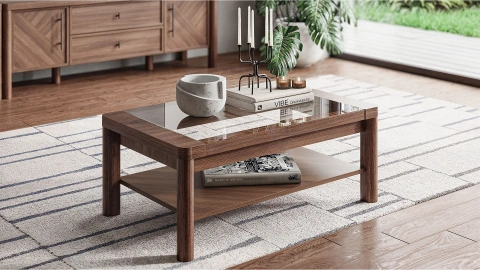
- Use natural materials like wood and glass.
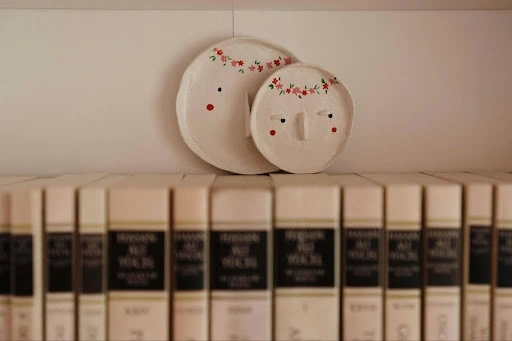
- Include handcrafted ceramic accessories and decorative objects adorned with elegant embroideries.
2. Use Plant and Flower Motifs
Flowers, vines, and leaf patterns hold significant importance in Art Nouveau decoration.
- You can choose botanical patterns in wallpapers or textile products.
- Create an elegant ambiance with stained glass lamps, floral wall lights, or patterned rugs.
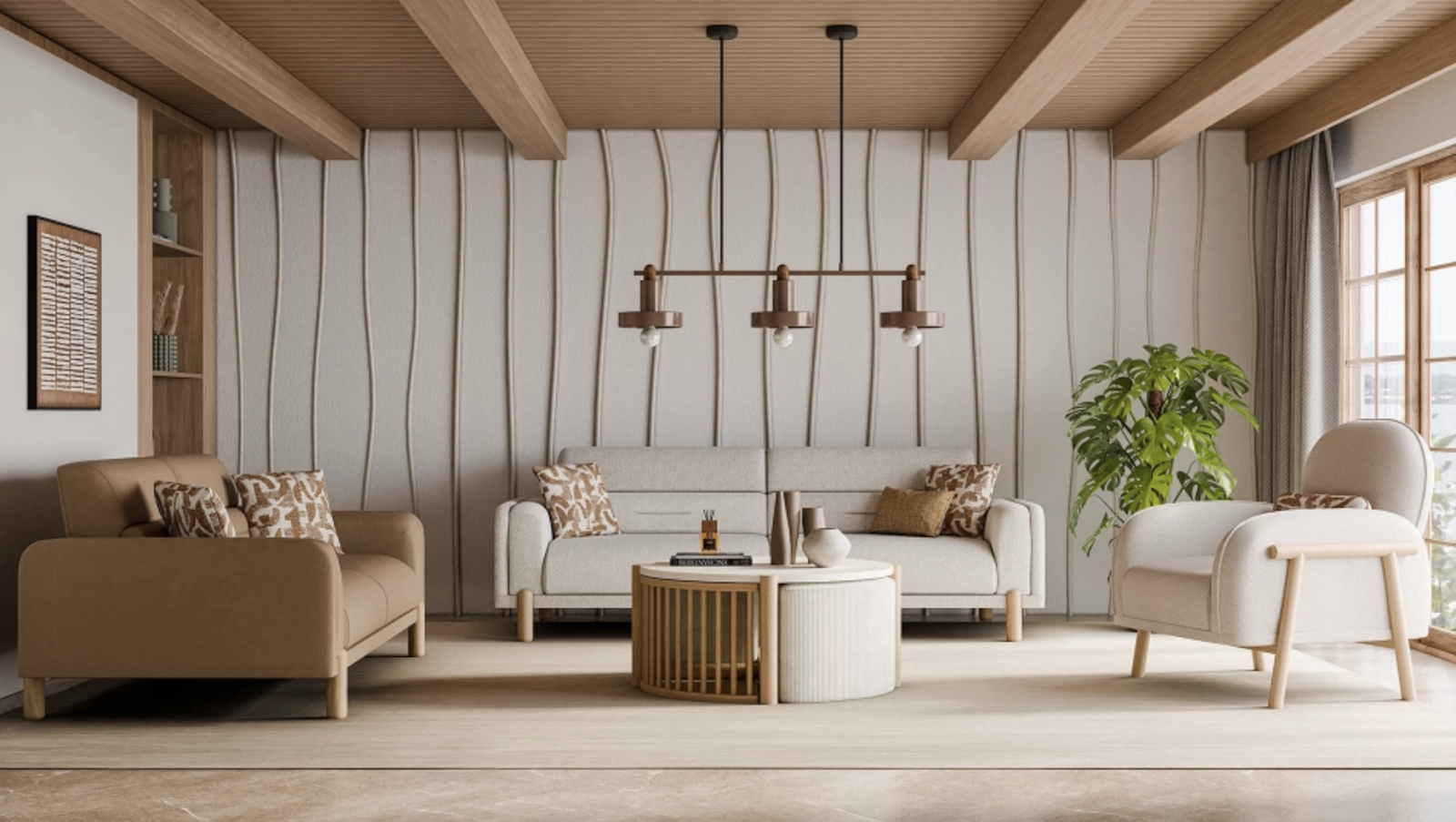
- Create a natural look with large green plants (such as ivy, monstera, or ferns).
3. Choose Elegant and Artistic Furniture
Art Nouveau furniture is often decorated with handcrafted details and has an aesthetic fluidity.
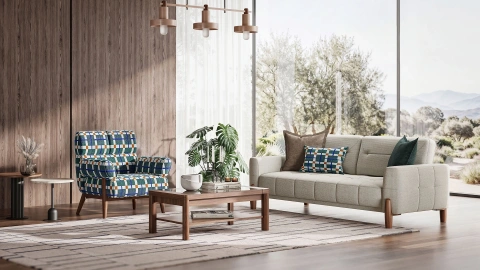
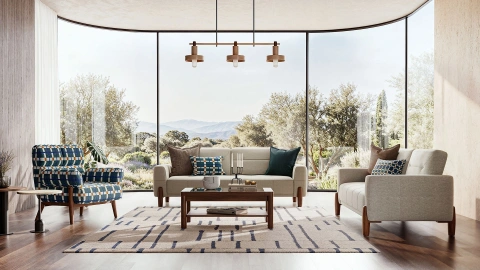
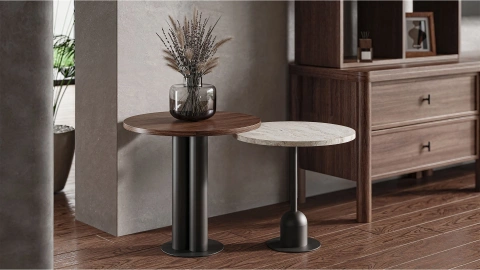
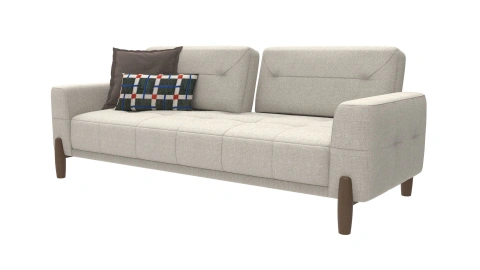
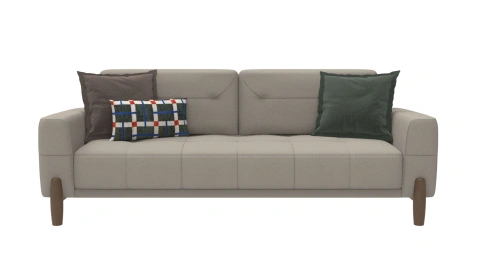
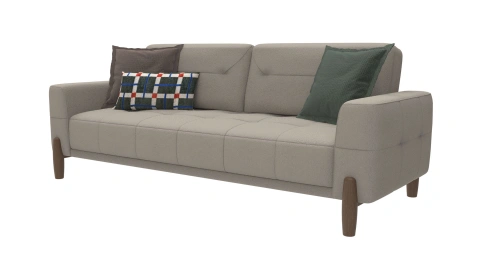
- You can use sofas with rounded lines, tables with delicate legs, and carved wooden furniture.
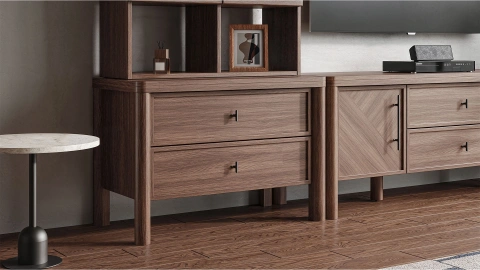
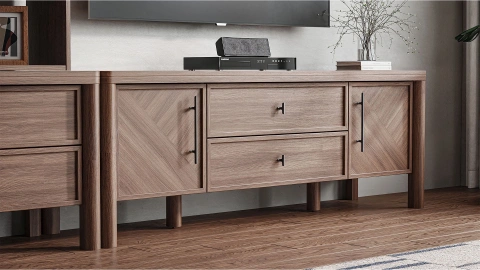
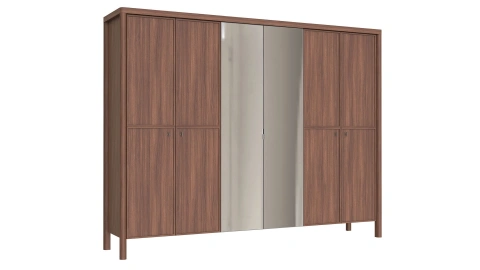
- Prefer warm-colored woods like walnut, oak, and mahogany in natural tones.
- Create an artistic atmosphere with carved mirrors, chests of drawers containing metal and glass details.
4. Add Stained Glass and Decorative Glass Details
One of the most iconic elements of Art Nouveau is colored stained glass.
- Reflect light artistically with stained glass chandeliers and wall lights.
- Create a romantic ambiance by using stained glass details on windowsills or doors.
- Add a {xxx_cvt_txt} touch to your space by using colorful glass in vases, glass tables, or decorative objects.
5. Use Natural Color Palettes
Nature's calming colors are prominent in Art Nouveau decoration.
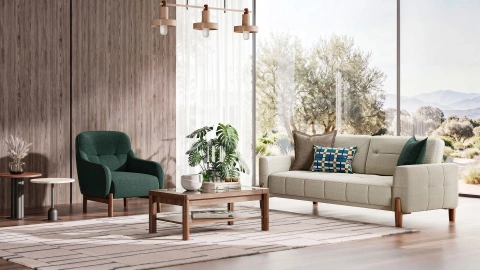
- You can use earth tones like green, blue, gold, brown, and beige.
- Create a soft atmosphere with pastel tones and elegant textures.
- In furniture and accessory selections, increase sophistication by incorporating antique brass, bronze, and copper details.
6. Make Walls and Ceilings Artistic
In the Art Nouveau style, walls and ceilings are also part of the design.
- You can use fine embossed decorations or decorative panels on the walls.
- Complete your decoration with {xxx_cvt_txt} style paintings, patterned frames, and handmade wall ornaments.
- Create a sophisticated atmosphere indoors with plaster or wooden wall decorations.
7. Use Artistic Touches in Lighting
One of the most striking elements of {xxx_cvt_txt} decoration is specially designed lighting.
- Add warm and colorful light to the space with Tiffany-style stained glass lamps.
- Achieve an elegant look by using wall lights with iron or bronze craftsmanship.
- Create a romantic atmosphere with antique-style chandeliers or candleholders.
8. Complete with Decorative Accessories
Art Nouveau is a style completed not only with furniture but also with artistic accessories.
- You can use cast iron or bronze candlesticks, embellished mirrors, and vintage clocks.
- Add old print art books or objects with {xxx_cvt_txt} style cover designs to your bookshelves.
- Bring character to your space with ceramic vases, handcrafted sculptures, and art-filled decorative objects.
What are Some Art Nouveau Architectural Examples?
Art Nouveau has manifested with original structures in architecture. Here are the most famous architectural works of this style:
- Casa Batlló (Barcelona, Spain) – Antoni Gaudí
- Hôtel Tassel (Brussels, Belgium) – Victor Horta
- Paris Metro Entrances (France) – Hector Guimard
- Secession Building (Vienna, Austria) – Joseph Maria Olbrich
These buildings reflect the best examples of Art Nouveau's curvilinear lines, nature-inspired decorations, and original design understanding.
What are the Characteristics of Art Nouveau Furniture?
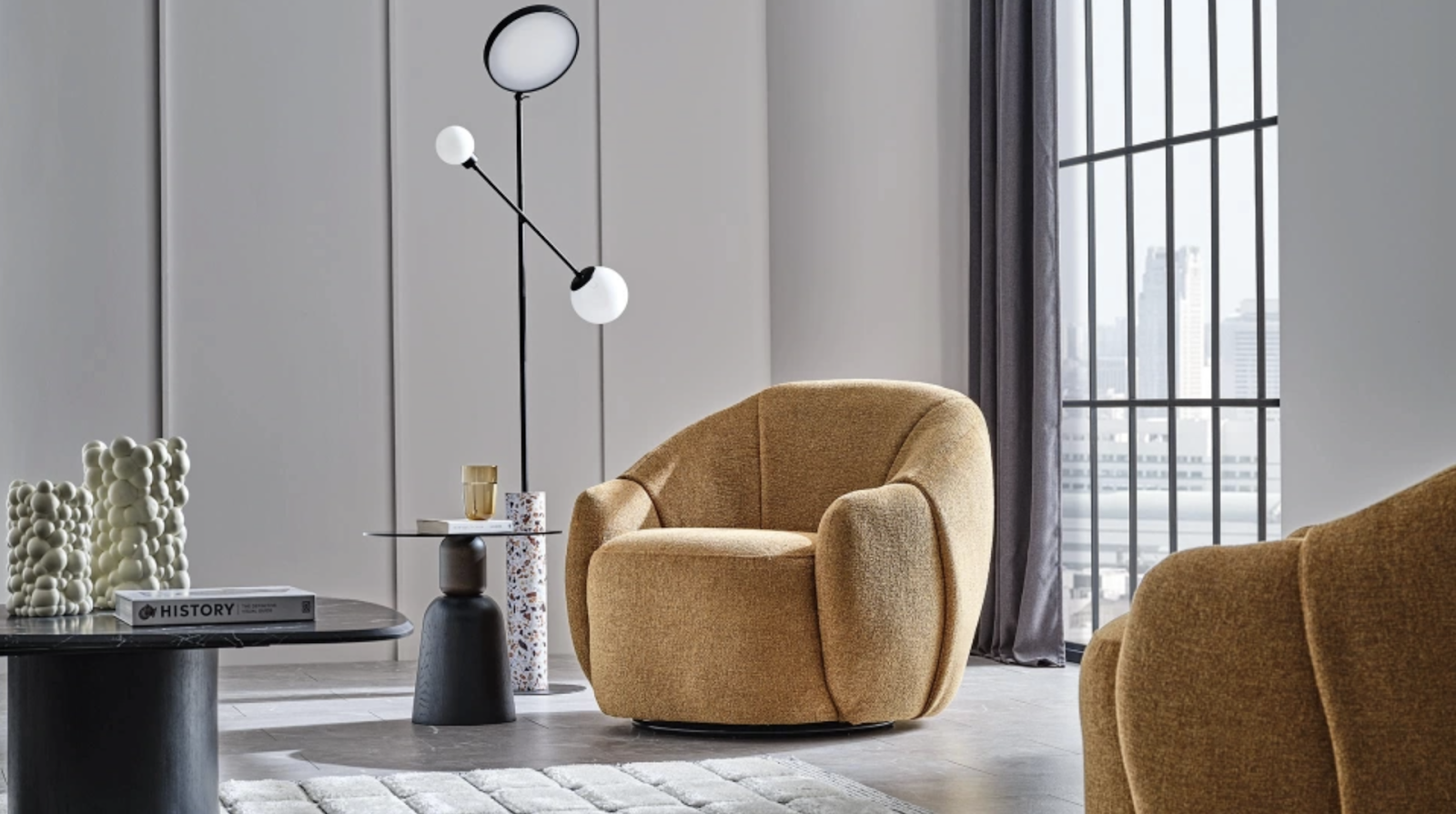
Art Nouveau furniture is distinguished by its nature-inspired flowing lines and detailed decorations. The main characteristics of this style of furniture are:
- Organic and curvilinear forms – Flowing lines are used instead of sharp corners.
- Natural materials – Wood, glass, and iron are the most commonly used materials.
- Plant and flower motifs – Botanical patterns such as lilies, sunflowers, and ivy are frequently seen.
- Artistic craftsmanship – Each piece of furniture is intricately detailed like a work of art.
Art Nouveau furniture is preferred to create a romantic and artistic atmosphere in decoration.
What are the Differences Between Art Nouveau and Art Deco?
Art Nouveau and Art Deco are two different design movements often confused with each other. Here are the main differences:
Art Nouveau creates a romantic atmosphere with its nature-inspired details; whereas Art Deco stands out with bold, shiny, and geometric designs that reflect modernism and technology.
The Position and Importance of Art Nouveau Today
Art Nouveau continues to have an impact on the worlds of decoration, architecture, and design today with its artistic details inspired by nature. This style, highlighted by elegant lines, botanical motifs, and craftsmanship, offers a timeless approach to decoration by combining aesthetics and functionality. If you want to bring the sophisticated touches of Art Nouveau into your living spaces, you can interpret this style in a modern way with natural forms, stained glass details, and artistic objects.