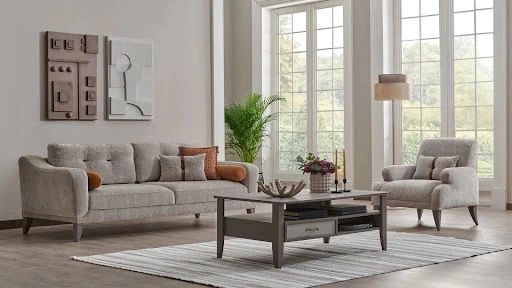
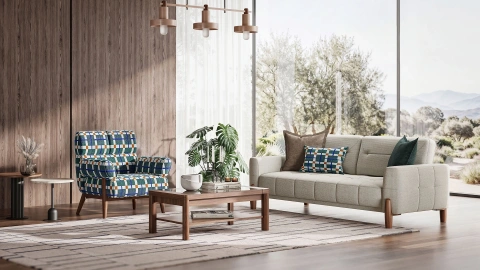
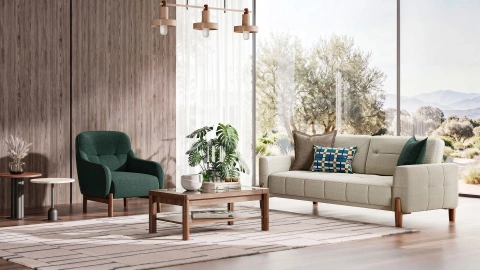
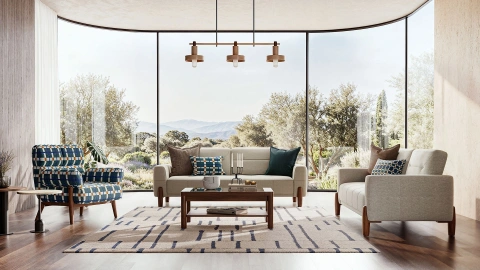
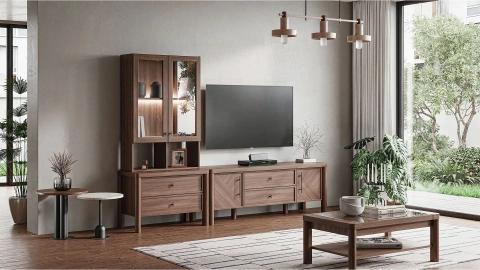
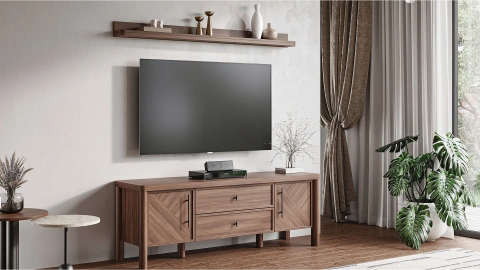
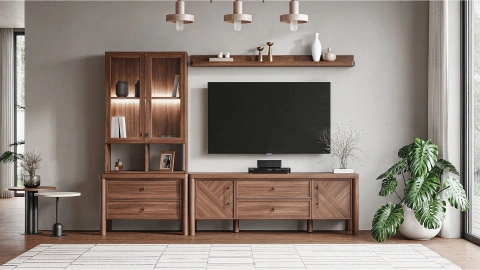
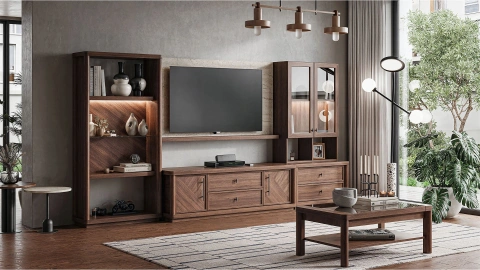
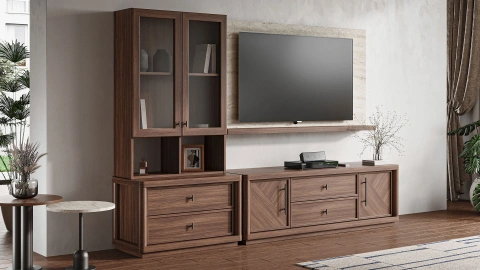
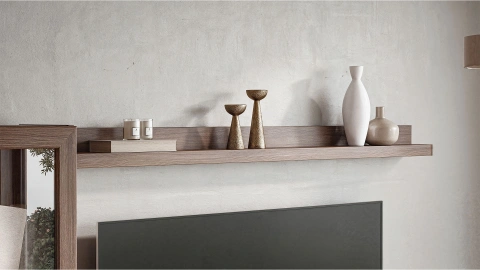
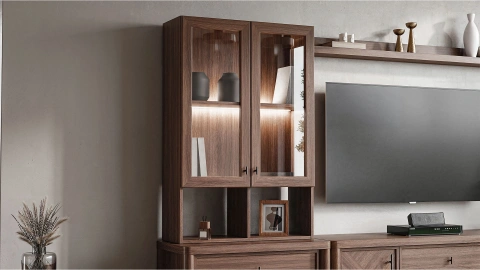
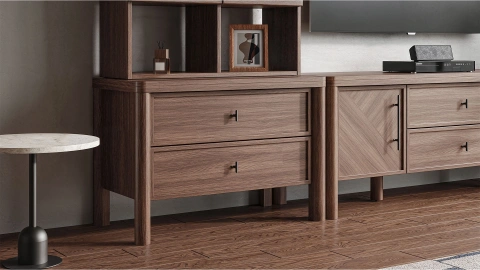
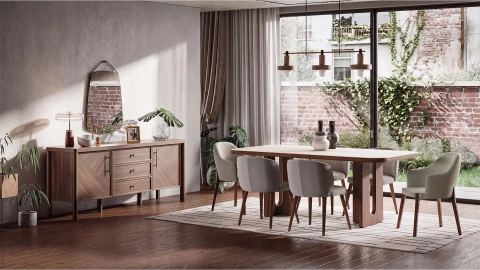
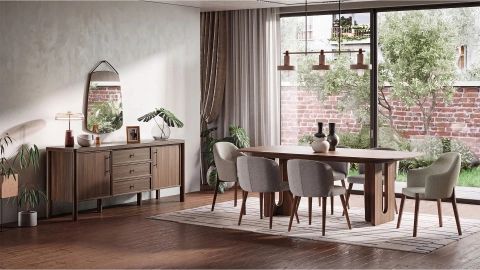
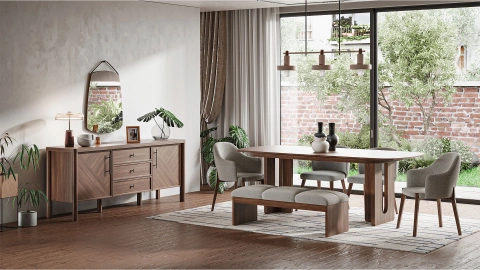
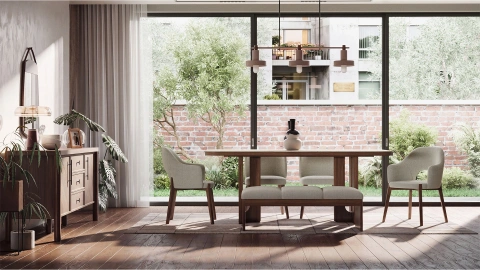
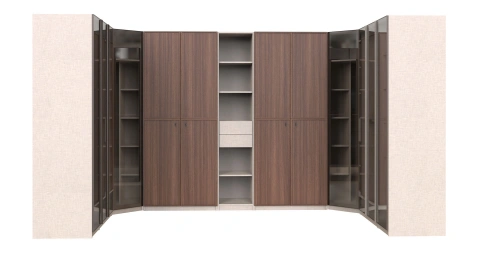
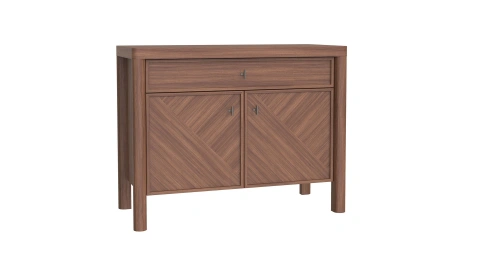
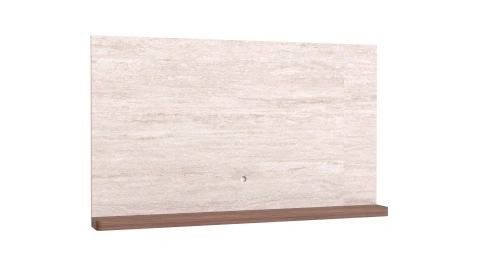
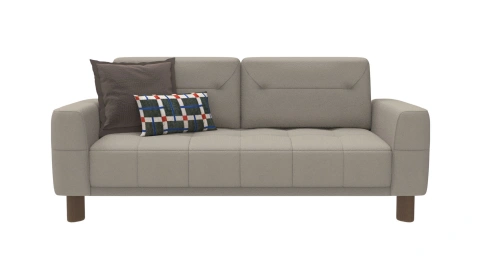
Elegant lines, timeless details, and balanced sophistication... Neoclassical decoration creates sophisticated living spaces by bringing together the grandeur of classic style with modern touches. Containing historical elements while appealing to today's aesthetic understanding, this style has recently made a comeback in interior design. This style, which is flamboyant but not exaggerated, classic but not boring, can be one of the most effective ways to add both elegance and sophistication to your home. So what exactly is neoclassical decoration and how is it applied?
Elegant lines, timeless details, and balanced sophistication... Neoclassical decoration creates sophisticated living spaces by bringing together the grandeur of classic style with modern touches. Containing historical elements while appealing to today's aesthetic understanding, this style has recently made a comeback in interior design. This style, which is flamboyant but not exaggerated, classic but not boring, can be one of the most effective ways to add both elegance and sophistication to your home. So what exactly is neoclassical decoration and how is it applied?
What is Neoclassical Decoration?
Neoclassical decoration is the revival of the classic architectural understanding born in the 18th century with modern interpretations. This style combines classical lines inspired by ancient Greek and Roman periods with contemporary, simple, and functional details. The neoclassical style blends flamboyance with measured elegance while bringing sophistication to living spaces and creating a simple yet impressive atmosphere.
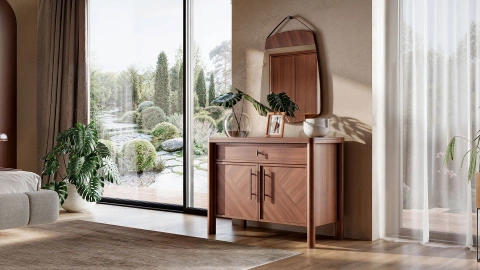
Balance is highly important in this approach to decoration. Neoclassical spaces create a sophisticated look that is not overwhelming by balancing heavy and grand furniture with modern touches. Classical elements like gold leaf mirrors, column details, high ceilings, and symmetrical arrangements are complemented by modern color palettes and simple surfaces.
The biggest advantage of neoclassical decoration is that it offers a timeless aesthetic. It can maintain its impressive appearance for many years without being influenced by trends, making it an ideal choice for those who love classic style while seeking modern comfort.
Features that Distinguish the Neoclassical Style from Other Decoration Styles
Neoclassical decoration, though carrying traces of both classic and modern styles, creates a distinct identity of its own. Classic decoration often has a more dignified, intensely patterned, and flamboyant structure, while modern decoration focuses on simple lines, minimal forms, and functionality. The neoclassical style aesthetically bridges these two extremes.
In classic decoration, furniture is often large-scale, and colors are dark and rich. In contrast, in the neoclassical style, furniture forms are more elegant, surfaces are simpler, and color tones are softer. Thus, while maintaining a sense of classic grandeur, modern comfort is not overlooked.
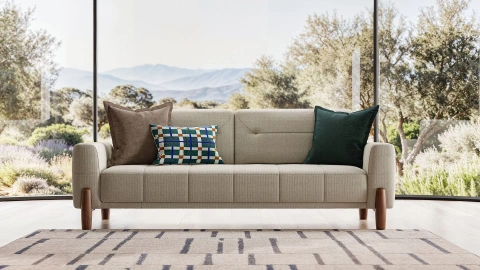
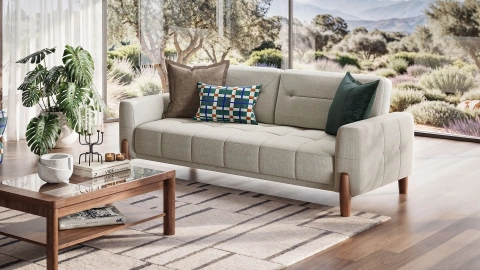
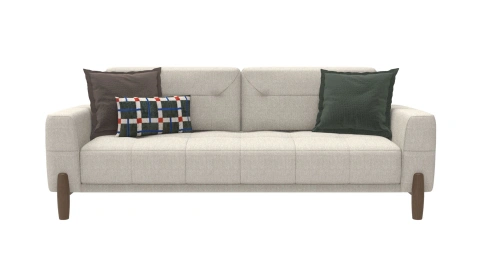
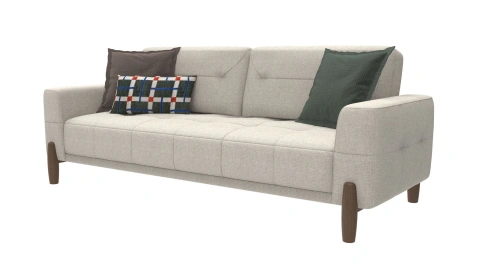
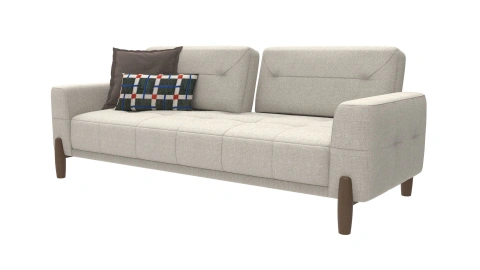
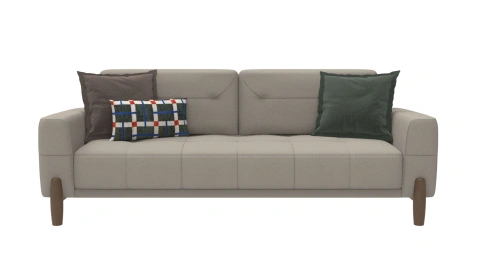
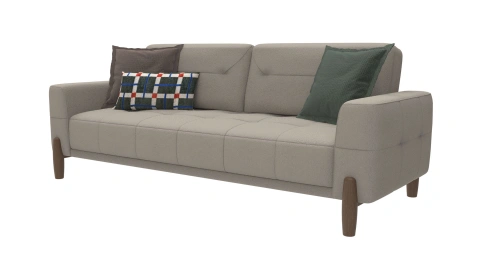
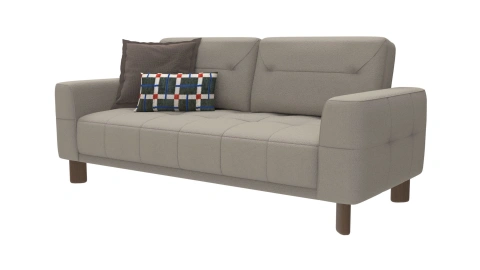
Modern decoration can often leave a cooler and more neutral feeling. The neoclassical style softens this coolness with details. For example, a modern sofa used with a neoclassical wall panel can create a much warmer and more inviting feeling. In essence, the neoclassical style offers a transition area that adapts the classic texture to today's lifestyle.
Which Colors and Textures Should Be Preferred in Neoclassical Homes?
In neoclassical decoration, color selection is quite meticulous. Typically, soft and sophisticated tones like cream, beige, gray, light brown, and ivory are preferred. This color palette reflects both classic elegance and modern spaciousness simultaneously. Light-colored walls and floors make the space look larger and brighter.
For accent colors, strong yet balanced tones like gold, bronze, black, and navy blue stand out. These details usually appear in accessories, frames, or curtain details, creating an elegant contrast against a simple backdrop.
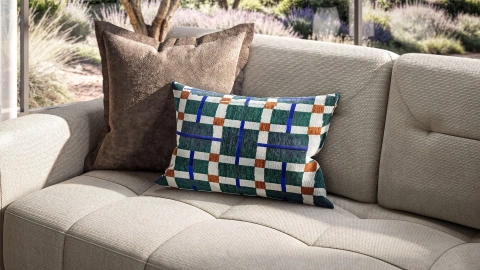
In texture selection, matte and natural surfaces are prominent. Velvet, satin, silk, or high-quality linen fabrics are frequently used in upholstery and curtain choices. Additionally, in wooden furniture, more natural textures are preferred over lacquered or glossy polished surfaces. Marble details are also frequently used in neoclassical style, adding both solidity and elegance to the environment.
The combination of color and texture is the main carrier of neoclassical decoration. When a balanced selection is made, classic elegance combines with modern simplicity in the space, achieving a timeless harmony.
How Should Furniture Selection Be Made in Neoclassical Style?
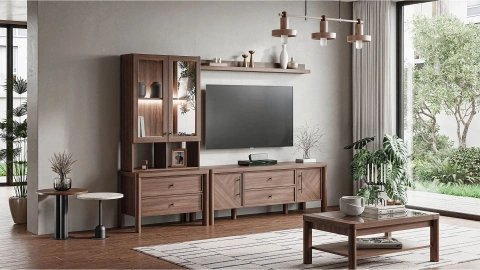
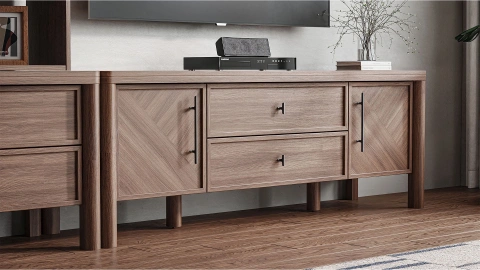
When selecting furniture for neoclassical decoration, balanced choices should be made both visually and functionally. While furniture in this style carries classic inspirations, it should not be too heavy or detailed. Simple-lined but high-quality and elegant furniture are ideal choices for capturing the neoclassical line.
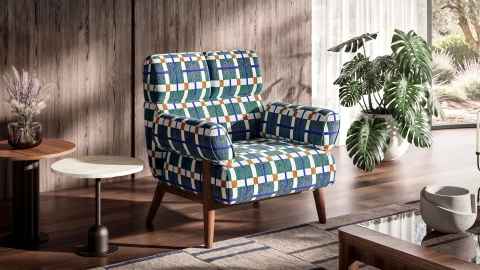
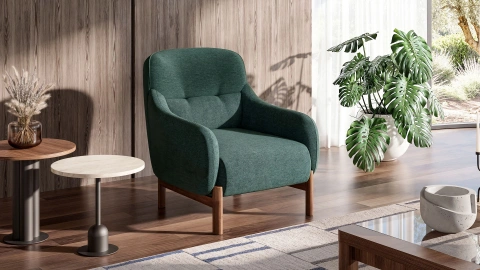
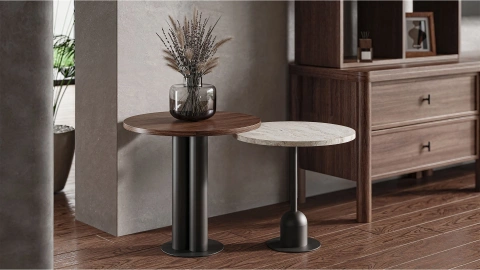
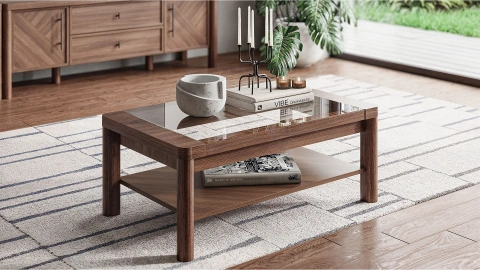
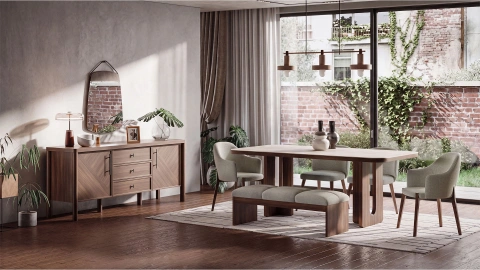
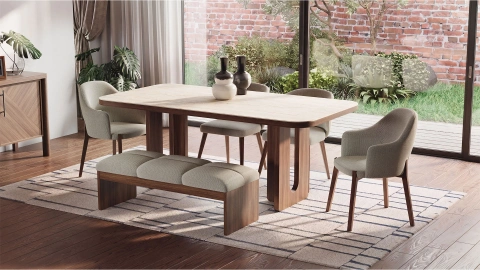
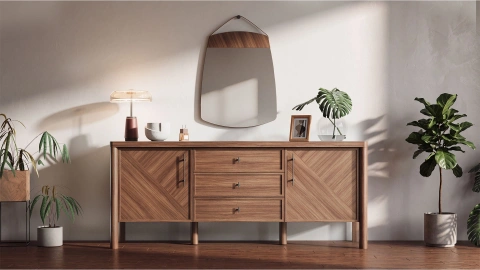
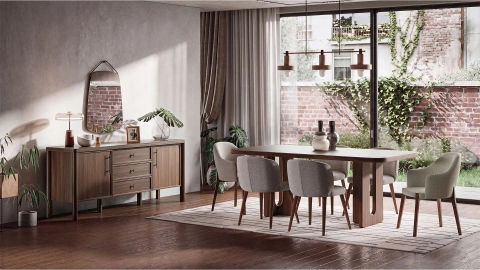
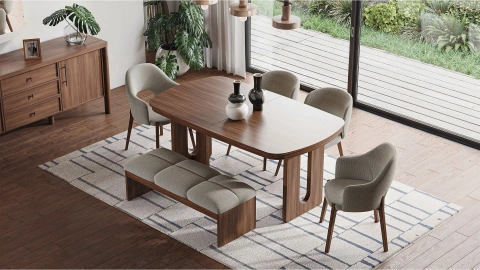
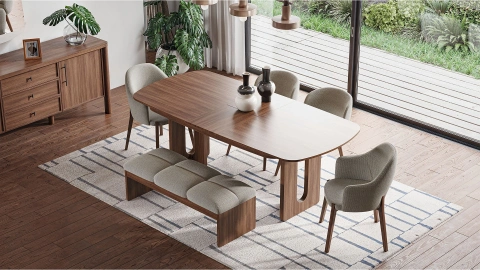
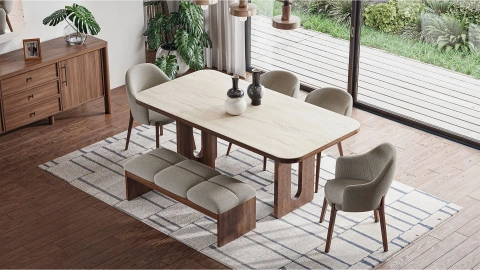
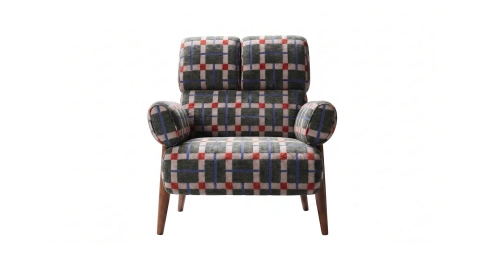
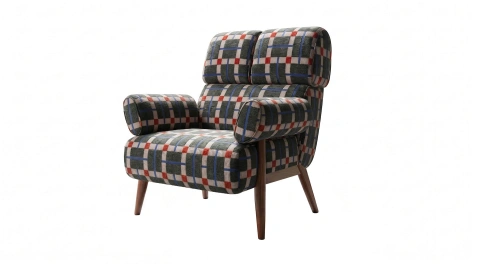
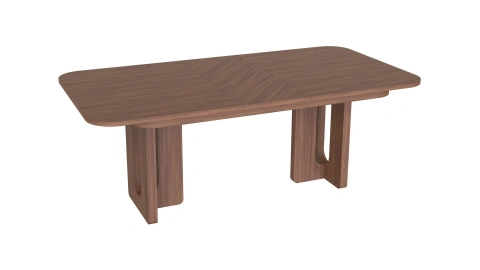
Armrest chairs, elegant-legged coffee tables, and dining tables with carved yet minimal details are among the favorite pieces of this style. Furniture forms are mostly symmetrical and arranged accordingly, achieving an orderly and balanced look in the space.
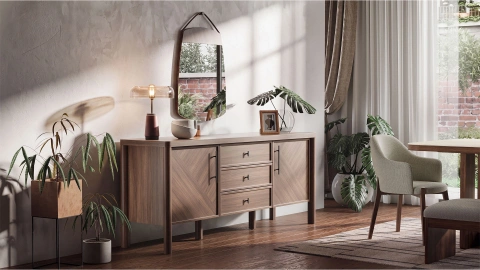
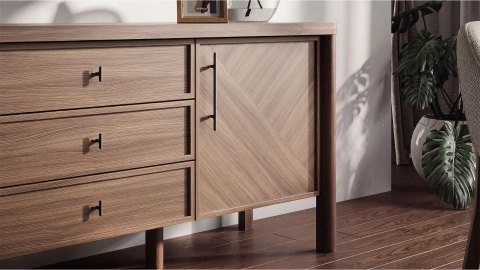
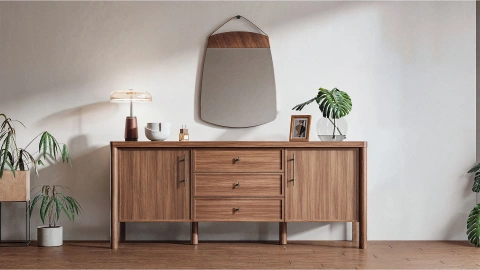
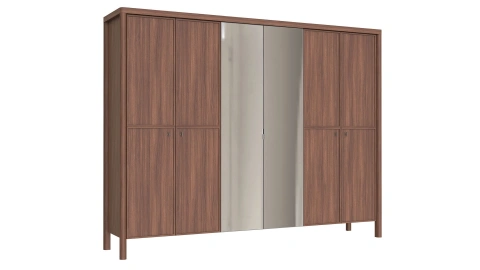
In material selection, wood always stands out. However, these wooden surfaces have been modernized with simple and elegant touches. Leather and velvet upholstery, especially in sofa and chair selections, are preferred to add warmth.
Additionally, the furniture can feature occasional metal details or fine golden lines. These small touches give the space a luxurious feel. However, it’s important to use them in a way that strengthens the emphasis and not excessively.
Some Points to Consider When Choosing Neoclassical Furniture:
- Pieces with elegant yet simple lines should be preferred.
- A layout that supports the sense of symmetry should be created.
- Quality materials like wood, velvet, and leather should be used.
- Avoid overly patterned or heavy furniture.
- Gold or metal details should be used in moderation, adding an elegant sparkle to the space.
In Which Living Spaces Does Neoclassical Decoration Look More Effective?
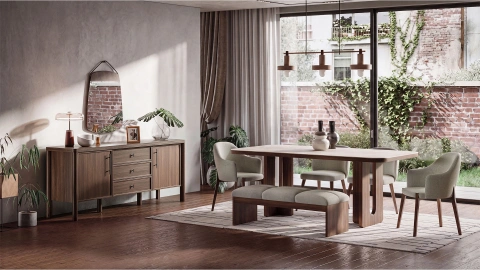
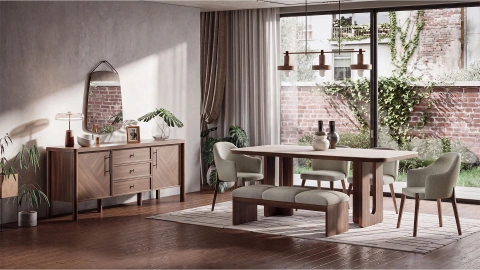
Neoclassical decoration yields the most impressive results in large and high-ceilinged spaces. The classical elements of this style can be more easily applied and create sophistication without overwhelming the eyes in spacious environments. Particularly in areas where guests are entertained, such as living rooms, dining rooms, and entry halls, the neoclassical style creates a strong impact.
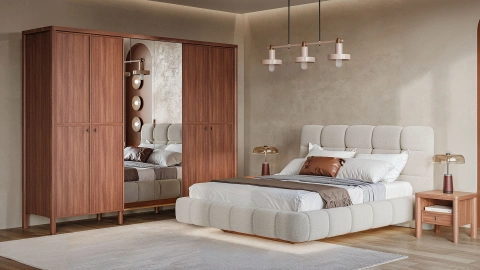
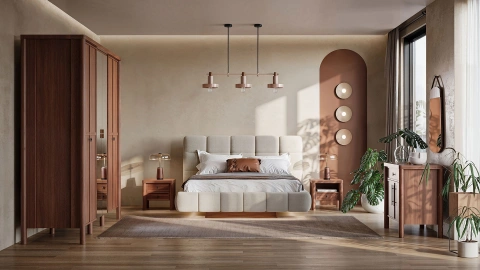
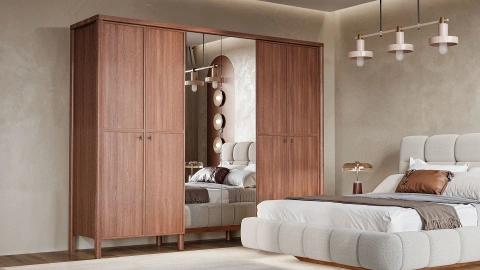
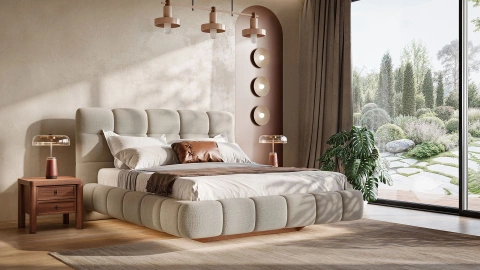
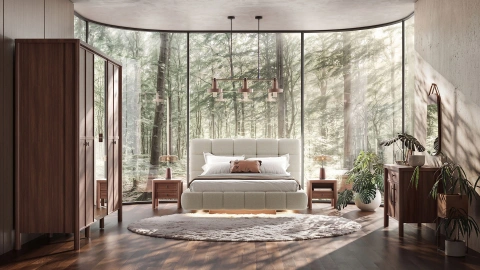
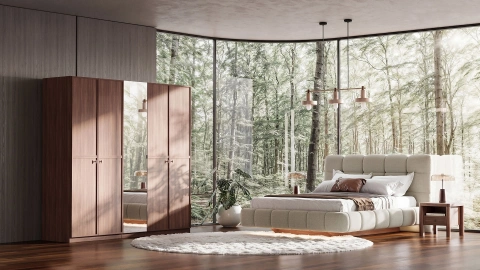
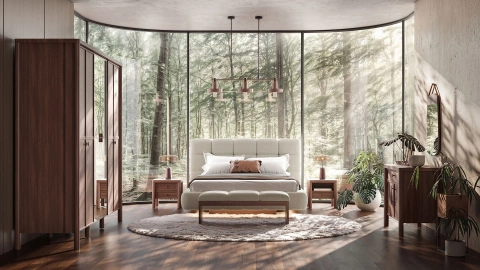
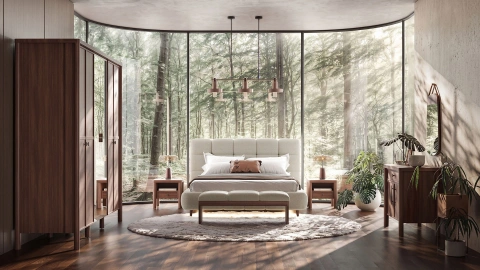
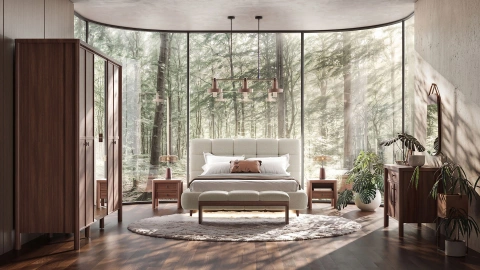
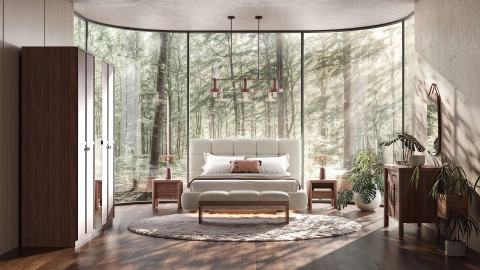
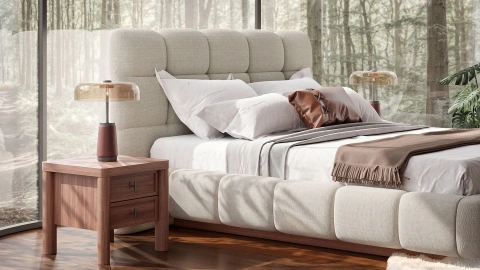
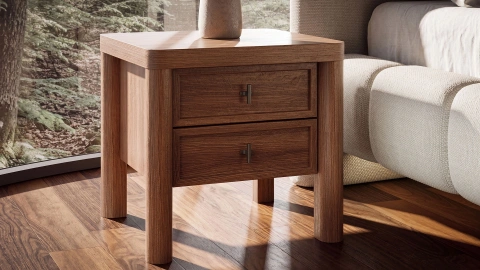
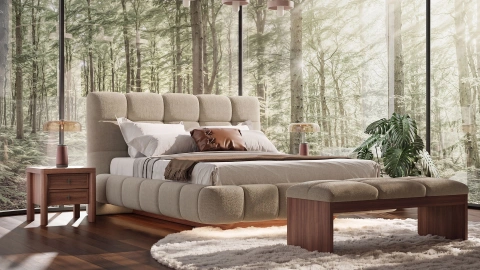
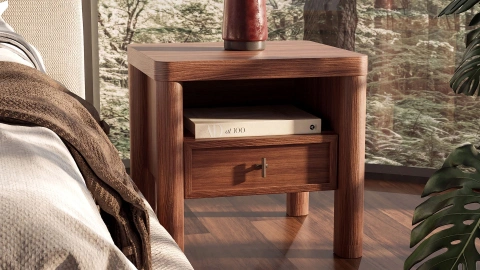
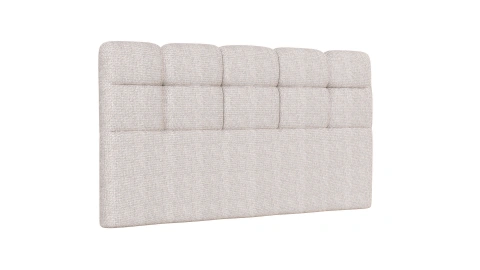
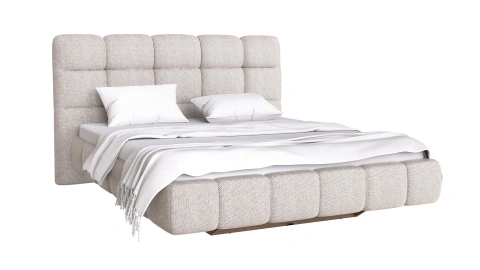
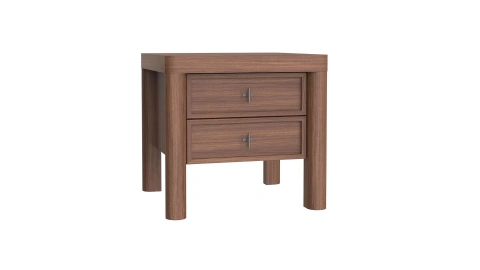
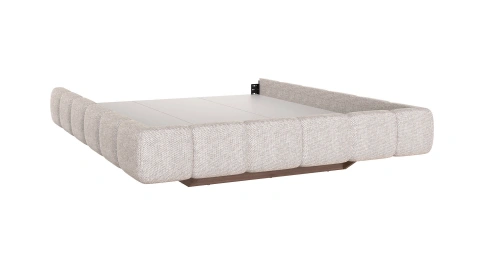
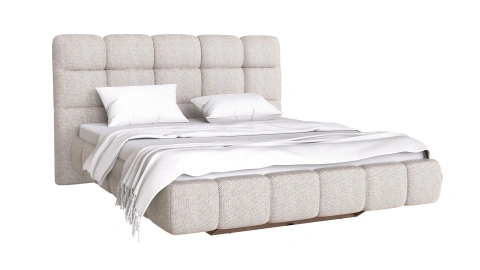
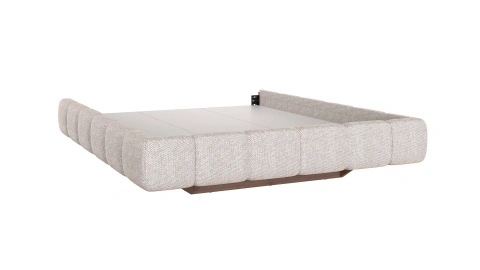
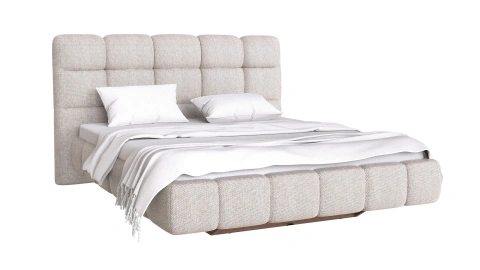
However, with the right planning and measured details, it can also be successfully applied in smaller spaces. For example, in the bedroom, a simple headboard, a classic nightstand, and elegant lighting can reflect the neoclassical spirit. Wall panels or molding applications also support this effect.
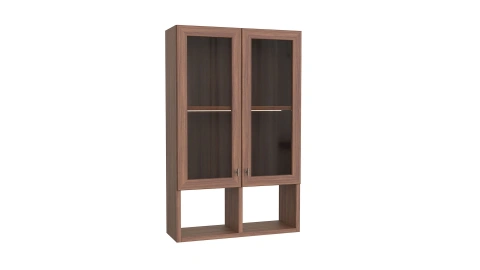
Additionally, neoclassical decoration also yields good results in study rooms or libraries. This style offers both an aesthetic and functional environment for those desiring a dignified but spacious atmosphere. The combination of classical lines with modern forms in furniture like bookshelves, tables, and lighting creates an environment that supports focus.
The important point in spaces where neoclassical decoration is applied is that each element is part of a whole. When colors, furniture style, and accessories are compatible with each other, the living space acquires a simple yet elegant sophistication.
Which Details Make the Space Impressive When Implementing Neoclassical Decoration?
The architectural features and design details of the area where neoclassical decoration is implemented are of great importance for its success. In particular, high-ceilinged, spacious, and well-lit spaces offer ideal environments to highlight the classical elements of this style. Large living rooms, impressive dining rooms, and stylish entry halls are strong starting points for showcasing the elegance of the neoclassical style.
However, this style is not exclusive to large spaces. With the right planning, a balanced and impressive look can also be achieved in smaller living areas. For example, a sophisticated atmosphere can be created in the bedroom with a simple headboard, classic nightstands, and soft lighting. Molding or panel applications used on the walls also enhance the neoclassical effect.
At the same time, this style also achieves successful results in focus-required areas such as study rooms, bookshelves, or libraries. Classic lines combined with modern forms create an environment that supports concentration while creating an aesthetic space. In particular, symmetrical placement and quality furniture selection bring out the power of this style.
One of the most important aspects of neoclassical decoration is that every detail implemented is harmonious with each other. When integrity is ensured among the color palette, furniture style, textures, and accessories, the living space gains elegant harmony and balance.