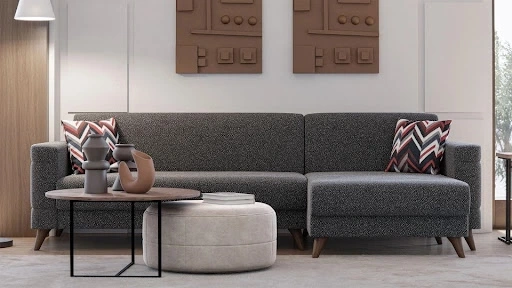
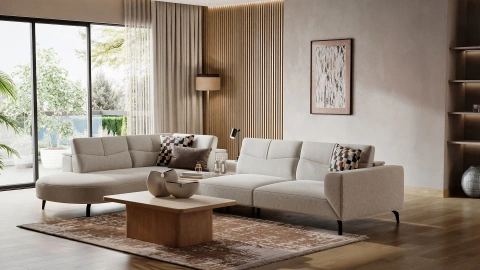
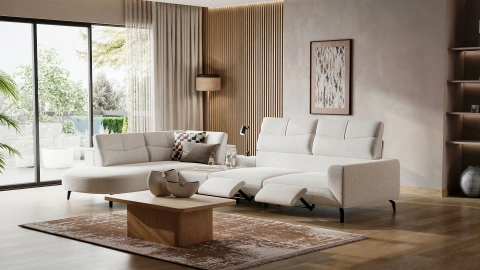
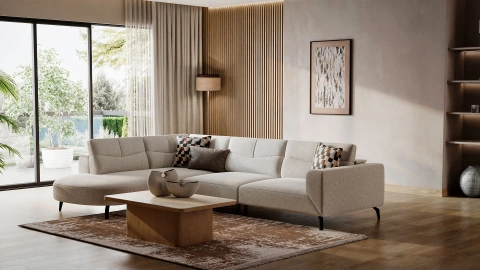
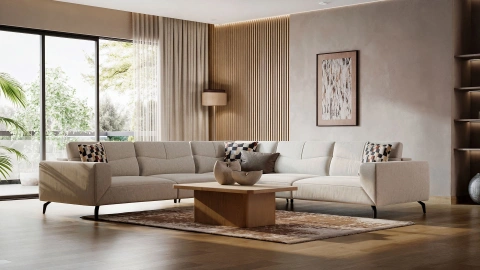
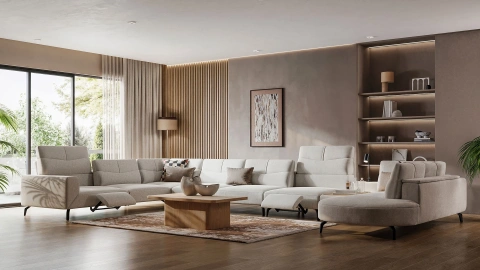
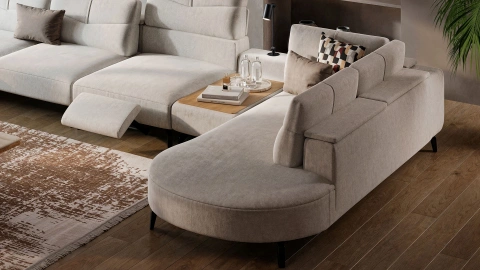
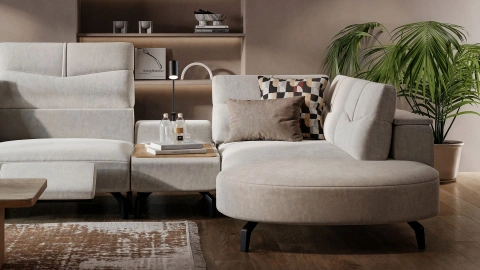
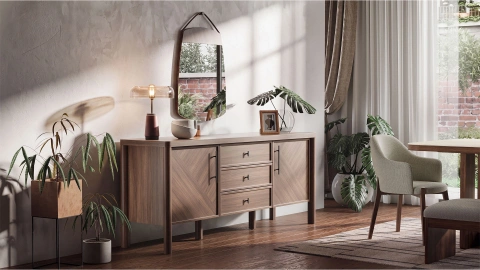
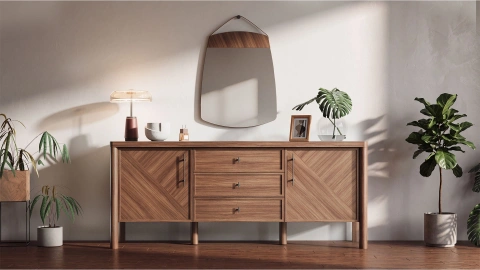
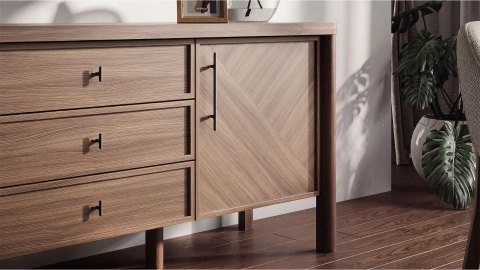
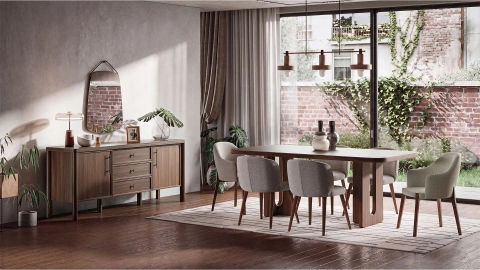
The living room is the most frequently used and visible area of a house. Since it serves multiple purposes like relaxing, hosting guests, and accommodating daily life activities, its arrangement, layout, and furniture choice require careful consideration. With the right arrangement, both the movement space is expanded, and the living room gains a much more balanced and aesthetic appearance. But since every living room has a different architecture, the layout should be shaped accordingly.
In this article, we discuss many topics from evaluating large spaces of different living room types to TV unit placement and furniture choices.
How to Arrange Furniture According to Different Living Room Types?
The architectural structure of the living room is one of the most determining factors in furniture arrangement. Positioning furniture in different living room structures like rectangular, square, L-shaped, or open plan is crucial both for ease of use and aesthetic appearance.
Rectangular Living Rooms:
Rectangular living rooms usually stand out with their long and narrow structure. In such rooms, placing furniture parallel to the long side instead of pressing it against the short side makes the space look more balanced.
- Sofas should be positioned parallel to the long wall
- The TV unit should be placed opposite
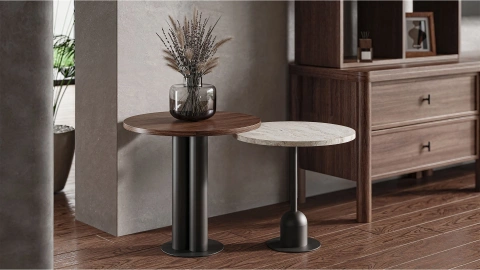
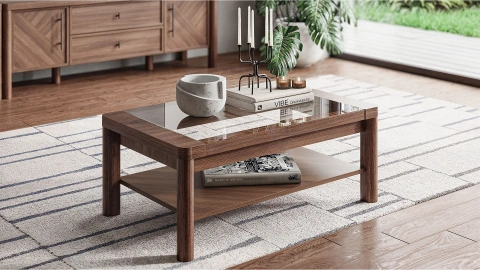
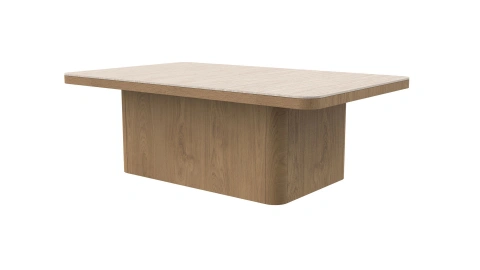
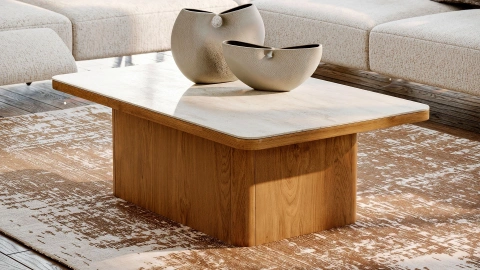
- The coffee table should be kept narrow and supported with side tables
- The carpet should be used lengthwise to emphasize the width of the room
Square Living Rooms:
Square living rooms offer more freedom of arrangement. The seating area can be positioned close to the center, and a symmetric layout ensures a tidy appearance.
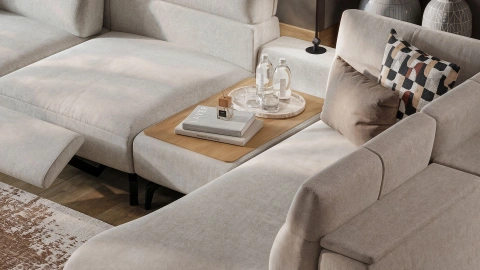
- Modular pieces can be preferred instead of corner sofas
- The seating group should be gathered around the focal point
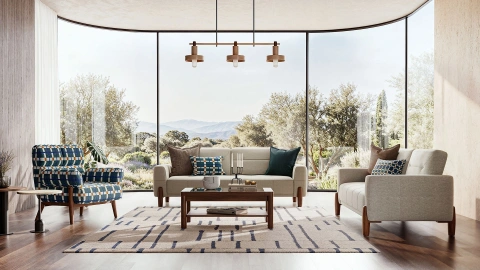
- The carpet and lighting should be centered to maintain the integrity of the room
Open Plan Kitchen:
The goal in such living rooms is to define the living areas without dividing them. Furniture functions as a natural divider between the kitchen and the seating area.
- An L-shaped sofa or a sofa with an open back can create division
- A carpet can be laid under the seating area to draw visual boundaries
- The dining table should be placed not right next to the seating group but preferably behind it
L-Shaped Living Rooms:
L-shaped living rooms should be considered as two separate areas. One can be a seating area, while the other can be a dining or reading corner. Each section's function should be clarified, and the furniture should be placed accordingly.
What to Consider When Positioning the Seating Group?
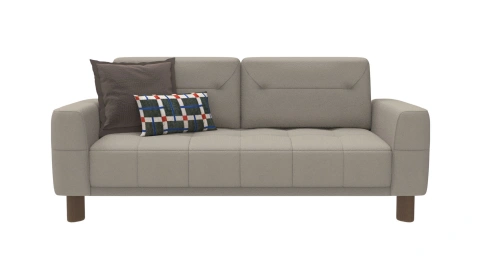
The seating group is the most used and largest occupying part of the living room. Therefore, it needs to be positioned correctly not only aesthetically but also functionally. Incorrect placement can narrow the movement area and disrupt the balance of the room.
- Do not obstruct door and window fronts: It is essential to not block natural light and passageways. Sofas should not be leaned against windows.
- Maintain an ideal distance from the TV: If the distance between the TV and sofa is too close, it can strain the eyes; if too far, it reduces viewing pleasure. An average distance of 2-3 meters is ideal.
- Pay attention to lounging direction: If using an L-shaped sofa or chaise sofa, the position of the short side should not block the entrance and exit of the room.
- Create a conversation order: Sofas should not be too far apart or side by side. They should form an angle where comfortable conversation with guests is possible.
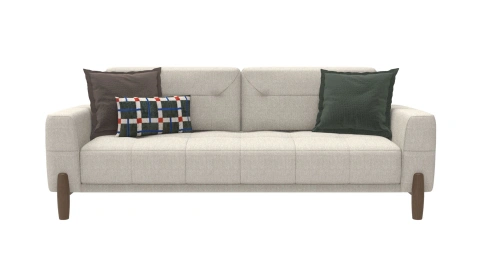
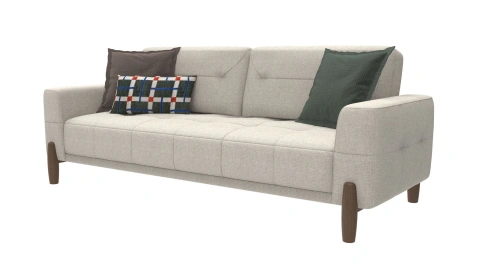
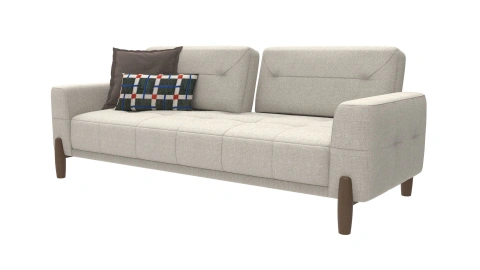
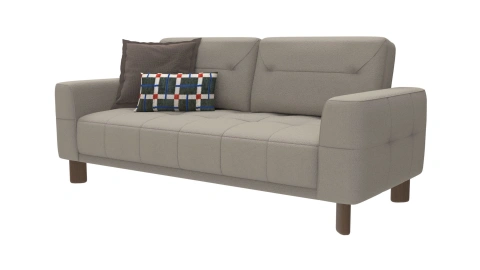
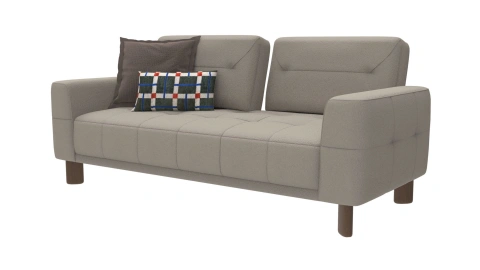
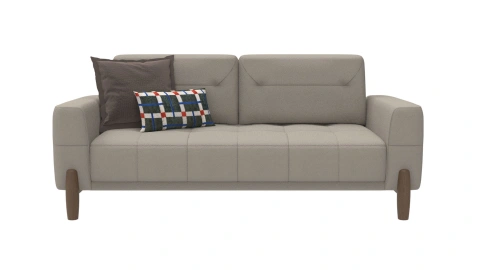
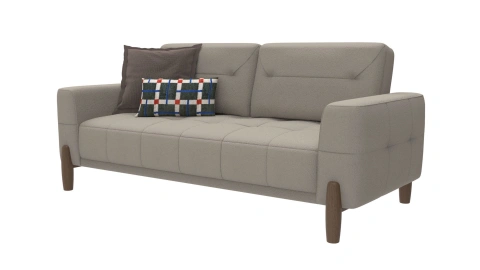
Additionally, the height, width, and arm structure of the sofas also affect the overall atmosphere of the living room. In small living rooms, simpler and legged models add spaciousness, while in large living rooms, deeper seating sofas can be used.
Where Should the TV Unit Be Placed?
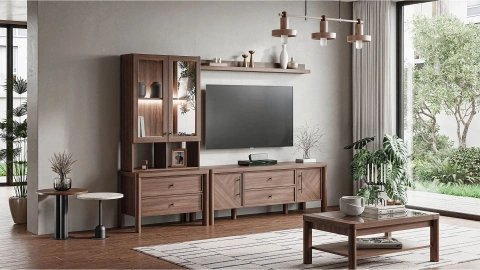
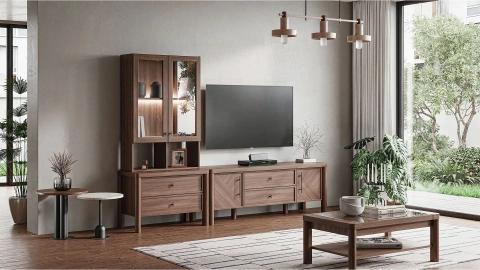
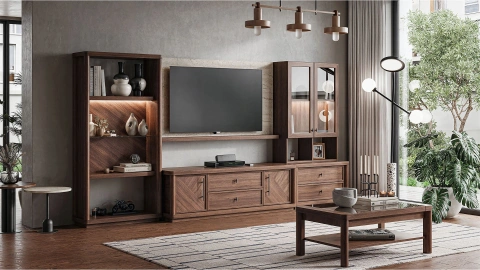
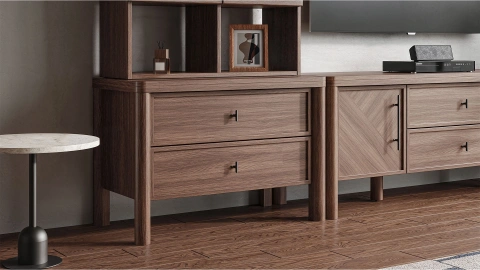
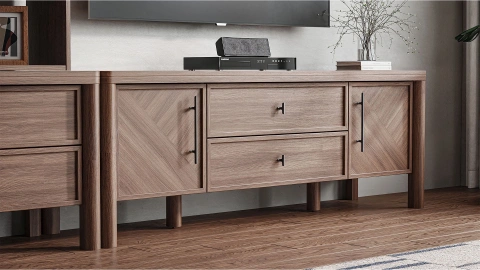
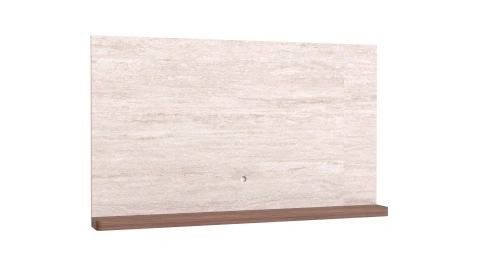
The TV unit is one of the first pieces considered in living room arrangement. However, instead of just saying "there's an empty wall, put it there," one should consider usage habits and the room's overall flow.
Suggestions for ideal TV unit placement:
- Should not be placed opposite a window, but to the side: Daylight can cause screen reflection, disrupting viewing comfort.
- Should be positioned to be viewed head-on, not at an angle by the seating group: Turning the neck while watching TV is uncomfortable.
- Measure the distance from the TV to the sofa: The seating distance should be an average of 2-2.5 meters. Very large screens can be overwhelming in small living rooms.
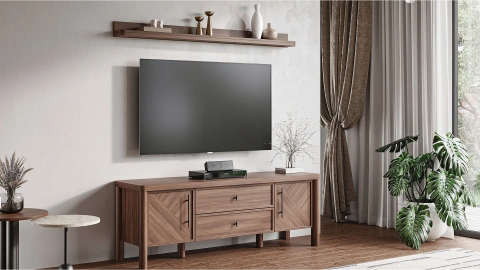
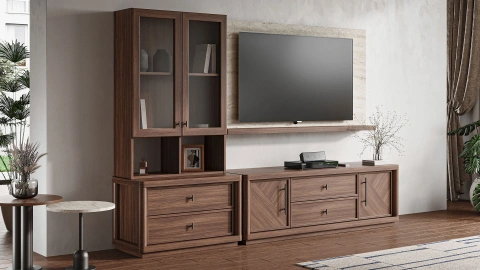
- Opt for wall-mounted systems: Securing the TV unit to the wall provides a more straightforward appearance and saves space.
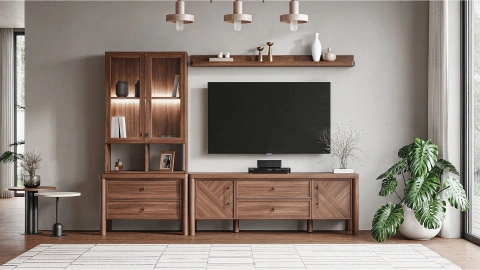
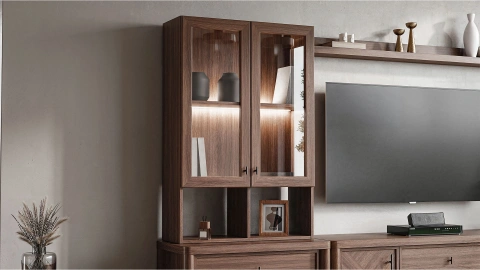
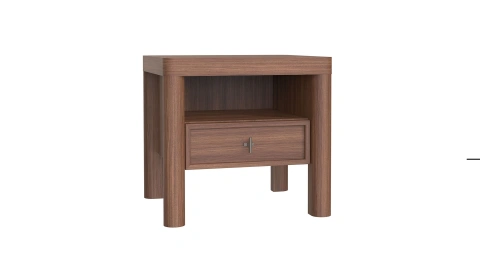
- Storage units can be added beside it: Shelved TV units or low drawer cabinets provide organization and a decorative look.
While choosing a TV unit, one should also consider cable management. Complex cable structures can make even the chicest living room look cluttered. Therefore, models that allow cables to pass through or cable channels can be used.
Which Furniture to Choose for a Spacious-Looking Living Room?
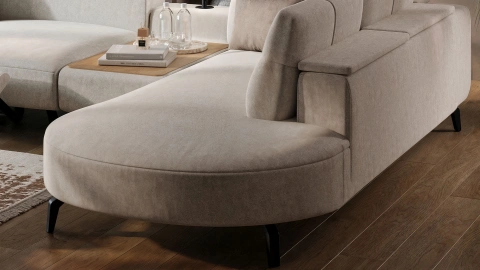
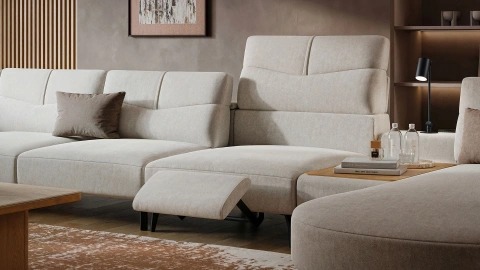
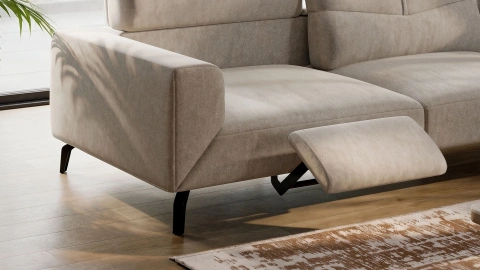
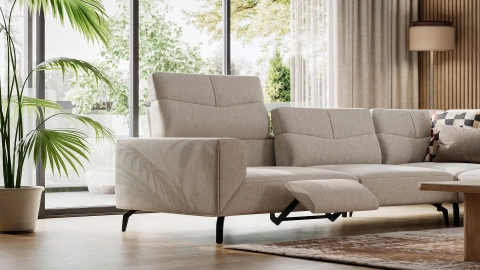
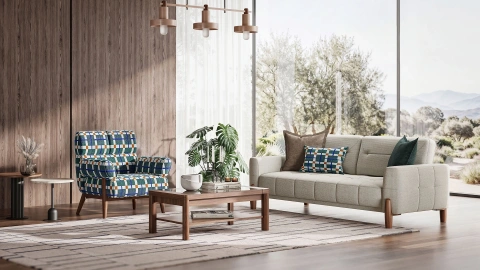
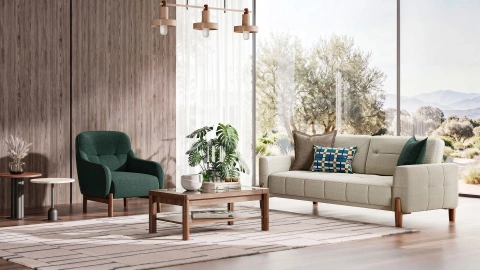
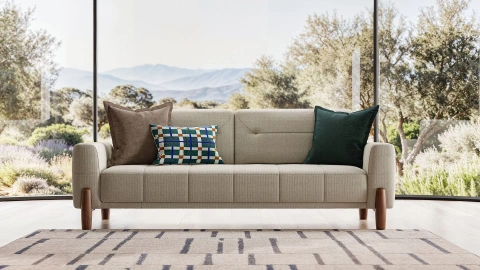
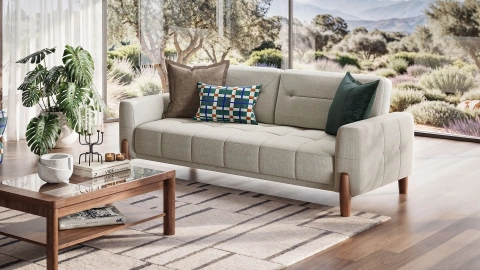
It is possible to make a small or medium-sized living room appear more spacious and airy with the proper furniture selection. To create this effect, not only the size of the furniture but also its design, color, and even height matter. When more slender and legged furniture is chosen instead of bulky and space-occupying pieces, the living room looks more modern and achieves an eye-soothing arrangement.
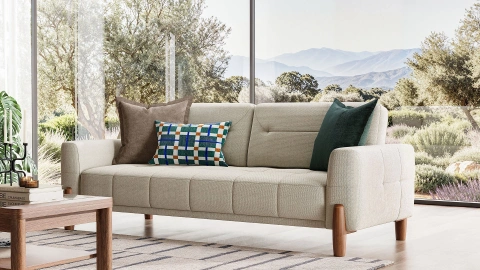
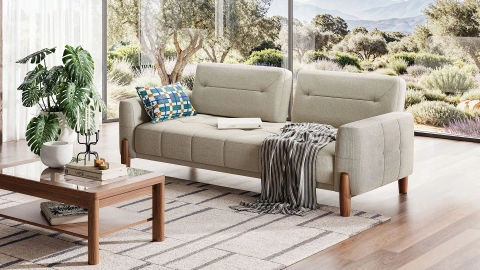
Light color tones also provide a significant advantage at this point. Sofas in beige, light gray, or pastel tones create a brighter atmosphere, especially in living rooms with natural light. These colors blur the boundaries of the space, enhancing the sense of depth. Furniture with transparent glass or metal details, such as clear chairs, contribute to the space's breathability.
Not pushing furniture completely against the walls is also a small but effective touch that enhances the sense of spaciousness. A few centimeters' gap left behind sofas or cabinets adds depth to the room. Similarly, using fewer but more significant and attention-grabbing pieces instead of many small objects makes the space look more organized and airy. Simplicity is a powerful decoration tool, especially in small areas.
How to Utilize Excess Spaces in Large Living Rooms?
Although large living rooms may seem like an advantage for many, they can lead to a cold, cluttered, and non-functional appearance if not used correctly. Appropriately utilizing spaces is crucial for aesthetic and comfort reasons.
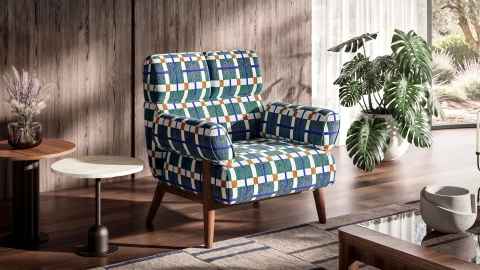
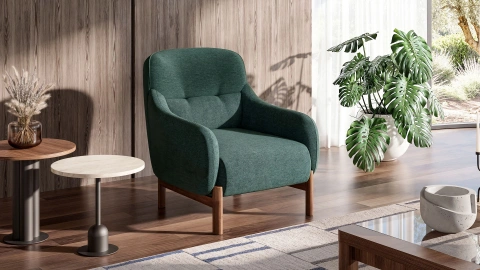
- Create an additional seating corner: You can use one end of the living room with a second armchair set or a reading corner.
- Prefer large rugs: A rug gathers the furniture, tidying the living room. Small rugs can look disproportionate in large living rooms.
- Utilize walls actively: Large paintings, shelving systems, or bookshelves help evaluate wall spaces.
- Include large plants: Placing large green plants in the corners of the room provides warmth and balance.
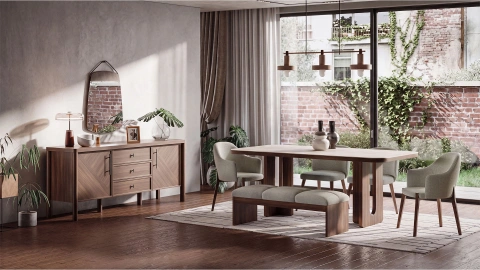
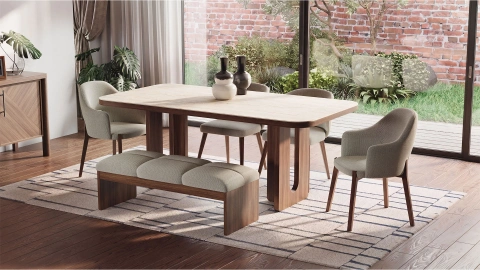
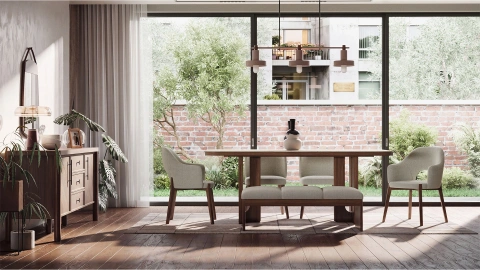
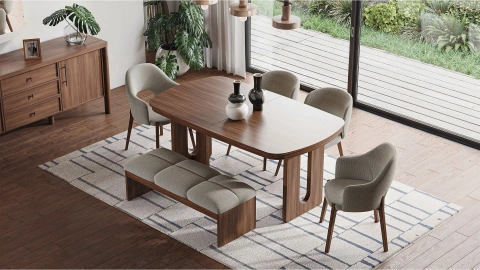
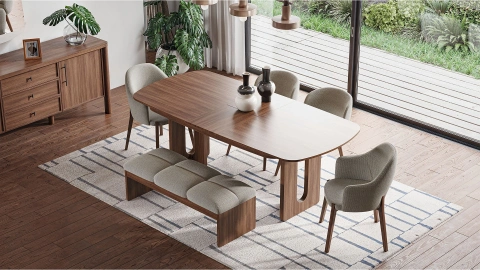
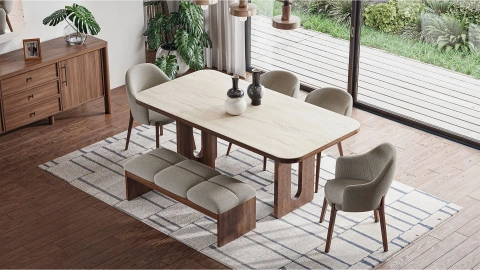
- Define the dining area: If a dining table will also be in the living room, highlight this area with a rug or lighting.
In addition to these, visual boundaries can be drawn between areas with different floor coverings or light sources. Thus, the living room moves from being a uniform space to a multi-functional yet integrated structure.