Moisture and humidity in homes are factors that can lead to serious structural and health problems, much beyond aesthetic concerns. Blisters on walls, yellowed stains, cracked paints, swelling in wooden materials, and especially mold formation not only reduce the comfort of living spaces but also trigger health issues such as respiratory diseases and allergies. Fortunately, there are many effective and applicable solutions you can take to prevent these problems and transform your home into a dry, healthy environment.
Moisture and humidity in homes are elements that can lead to serious structural and health problems, much beyond aesthetic concerns. Blisters on walls, yellowed stains, cracked paints, swelling in wooden materials, and especially mold formation not only reduce the comfort of living spaces but also trigger health issues such as respiratory diseases and allergies. Fortunately, there are many effective and applicable solutions that you can take to prevent these issues and transform your home into a dry, healthy environment.
Ensure Good Ventilation
The most natural and effective way to combat moisture is to ensure adequate air circulation. Ventilation prevents the accumulation of humid air inside the home and creates fresh air circulation in the environment.
Perform Daily Cross-Ventilation
Every day, in the morning and evening, perform cross-ventilation by opening opposite windows for at least 10-15 minutes. This method allows stagnant and moist air to be expelled, replacing it with fresh and dry air.
Apply Extra Ventilation in Bathrooms and Kitchens
After a shower, it is necessary to open the bathroom window and operate the ventilation fan for at least 15-20 minutes. Using the hood while cooking in the kitchen is critical to not retaining moisture and steam inside. Especially in homes with closed balconies, leaving the kitchen window slightly open facilitates the dispersal of intense steam.
Keep Furniture Away from Walls
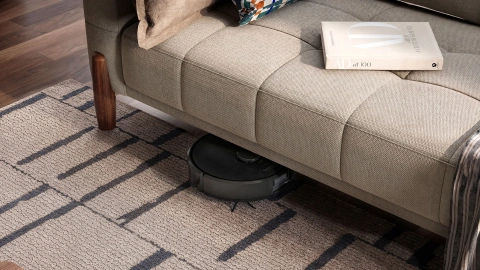
Placing furniture against the wall hinders air flow and especially on cold exterior walls, facilitates condensation and mold formation. Leaving a 5–10 cm gap between furniture and the wall prevents moisture from getting trapped.
Control Moisture Sources
Directly addressing behaviors and structural problems that cause an increase in moisture inside the house ensures that the issue is resolved before it grows.
Address Leaks and Seepages
Leaks can occur at pipe connections, around sinks, toilets, or in roof insulation and are continual moisture sources even if not visible. If such problems go unnoticed for a long time, they can cause mold growth inside walls.
Review Your Laundry Drying Habits
Drying laundry in closed areas significantly increases humidity levels, especially in homes that are not adequately ventilated. If possible, choose a balcony, terrace, or open air; if not possible, support by opening a window in the room or using a dehumidifier.
Pay Attention to Watering Plants
Overwatered houseplants can cause moisture accumulation in the area they are in. Regularly emptying accumulated water in the saucers and watering measuredly is important. Homes with a large number of plants tend to have elevated moisture levels.
Use Moisture Preventive Paints
Using resistant paints against moisture and mold, particularly on bathroom, kitchen, and exterior walls, helps maintain surface protection for a long time. These breathable paints prevent condensation and facilitate the drying of walls.
Use Dehumidifiers
In some situations, it may be difficult to control moisture using natural methods. Extra support is needed especially in humid climates, basements, or areas that do not receive sunlight.
Electric Dehumidifiers
Also known as dehumidifiers, these devices gather excess moisture in the air to maintain the ideal humidity level. It is recommended to use them in rooms with more than 60% humidity. The water tank of the device should be regularly emptied and the filters kept clean.
Combatting Moisture is Essential for a Healthy Living Space
Moisture and humidity not only create bad odors or aesthetic deterioration but also directly affect your health, the durability of your building, and your quality of life. Therefore, early intervention, conscious usage habits, and expert assistance, if necessary, make it possible to prevent these issues.
The ideal indoor humidity level is between 40% and 60%. By maintaining this balance, you can prevent damage to both building materials and your belongings, and also to your health. Remember, a dry home is not only more comfortable but also a healthier and more durable living space.
How can I permanently eliminate the musty smell at home?
To permanently eliminate the musty smell, first identify and eliminate the source. Drying constantly damp areas, repairing leaks, and ensuring good ventilation are basic steps. Surfaces with mold should be cleaned and disinfected. Using a dehumidifier is particularly effective in areas with insufficient ventilation. Natural scents (baking soda, vinegar, activated charcoal) can be used for temporary masking, but the odor cannot be permanently eliminated without solving the root cause.
How do I clean moisture stains on walls and prevent them from reoccurring?
Moisture stains usually appear as mold or paint blisters. First, it is essential to dry the area before cleaning. Once dry, you can wipe down the surface mold with vinegar or bleach, and then apply moisture-preventive paint to lighten the appearance of the stain. To prevent the stain from reoccurring, the underlying issue (leakage, poor insulation, insufficient ventilation) must be resolved. Cleaning alone is a temporary solution.
Why do windows fog up in winter, and how can it be prevented?
Fogging is condensation that occurs when warm indoor air comes into contact with a cold glass surface. This problem is common, especially if the indoor humidity level is high and the windows are not well insulated. To prevent fogging, regularly ventilate the rooms, use double-glazing, keep the windowsills clear, and improve insulation. Additionally, maintaining indoor humidity below 50% and having moisture-absorbing products on the window sills can reduce fogging.